The Argentine captain, now in Cape Verde, Africa, awaiting the opportunity to cross the Atlantic aboard the Itaca, recounts his voyages of recent years and also tells us about the publication of his first book “Itaca: Entre olas y silencios”.
“I’ve always loved adventures, but I started sailing around the age of forty, at the Avellaneda Yacht Club in the city of Rosario. I began racing in some regattas with a friend, then I bought a small 23-foot sailboat and started sailing on the river, although I also took trips or journeys to the north of the country by bicycle, paddled a kayak, or sailed a Laser. It didn’t matter where: it could be a motorhome, a bicycle, or a boat. I’ve always been very curious and passionate about nature, so there’s a vein in me that beats with a connection to that energy.”
So, if we start from the beginning, Adrián Magnago was born in Reconquista, in the humid, verdant north of the Province of Santa Fe: the same area where the Arroyo del Rey flows into an arm of the mighty Paraná River, which meanders down from the Amazon in Brazil, its waters a brown hue. He grew up about 500 kilometers down the coast, in Rosario, also in the Province of Santa Fe, where he studied Electronic Engineering at the National University of Rosario and the National Technological University (UTN).
Until a few years ago, he worked in industrial automation at one of Argentina’s largest companies: Yacimientos Petrolíferos Fiscales (YPF). In 2020, after the pandemic, he reevaluated his life and his 8-to-5 job, began taking ocean navigation courses with some of the country’s most renowned experts, and set sail. “One of my first voyages was to Los Roques, then from Rio de Janeiro to Buenos Aires. I was trying out this life, training with ocean clinics,” he acknowledges.
Now, anchored at sea, off Cape Verde, in Africa, where he awaits the weather window that will allow him to cross the Atlantic, he tells us about the release of his first book, Ithaca: Between Waves and Silences. A journey to the soul through the sea and time, which will be part of a trilogy that he plans to complete, while embarking on new voyages with his ship, always under the motto of the Greek poet Constantine Cavafy: “When you set out on your journey to Ithaca, pray that the road is long.”
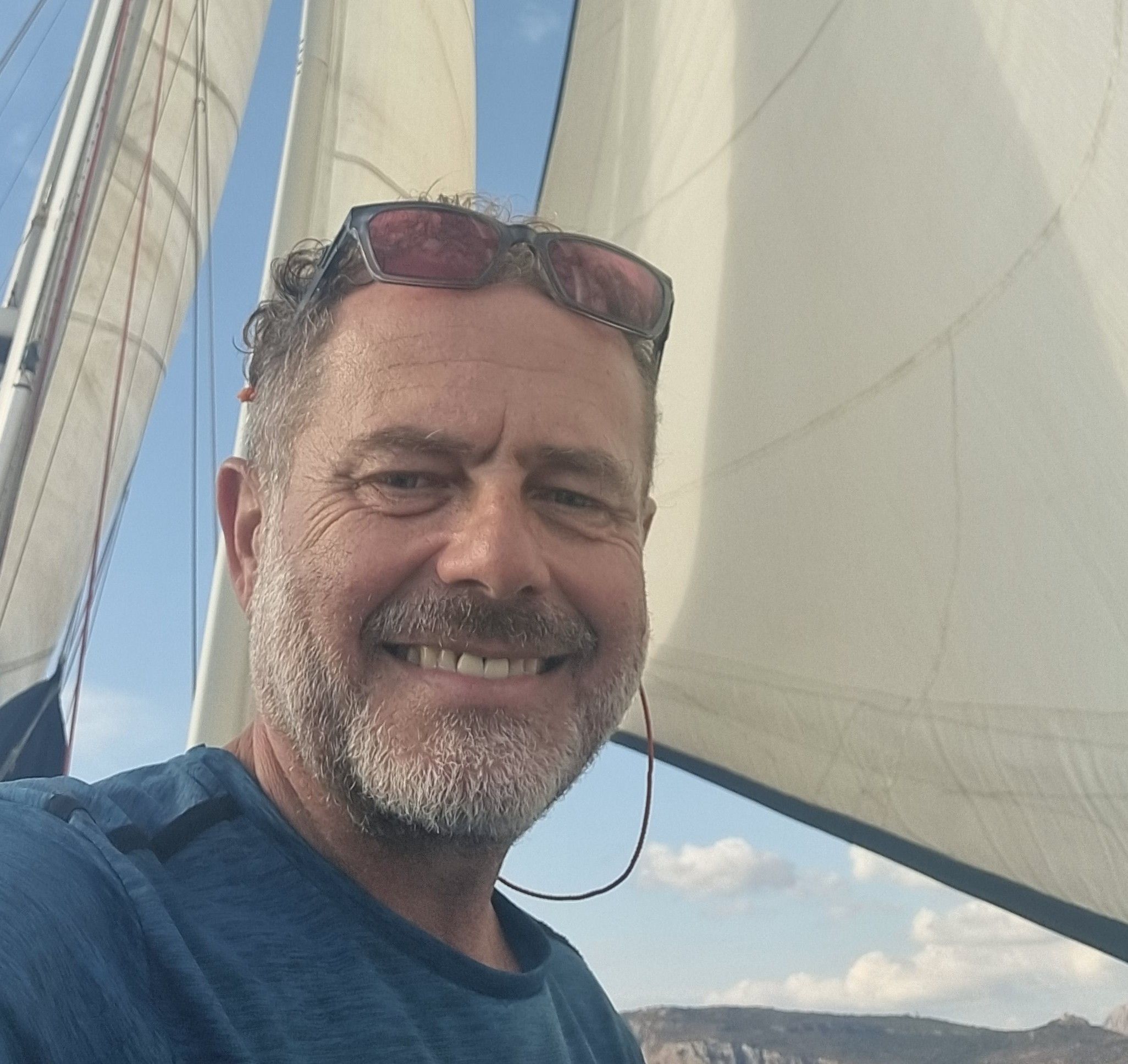
How did the journey begin?
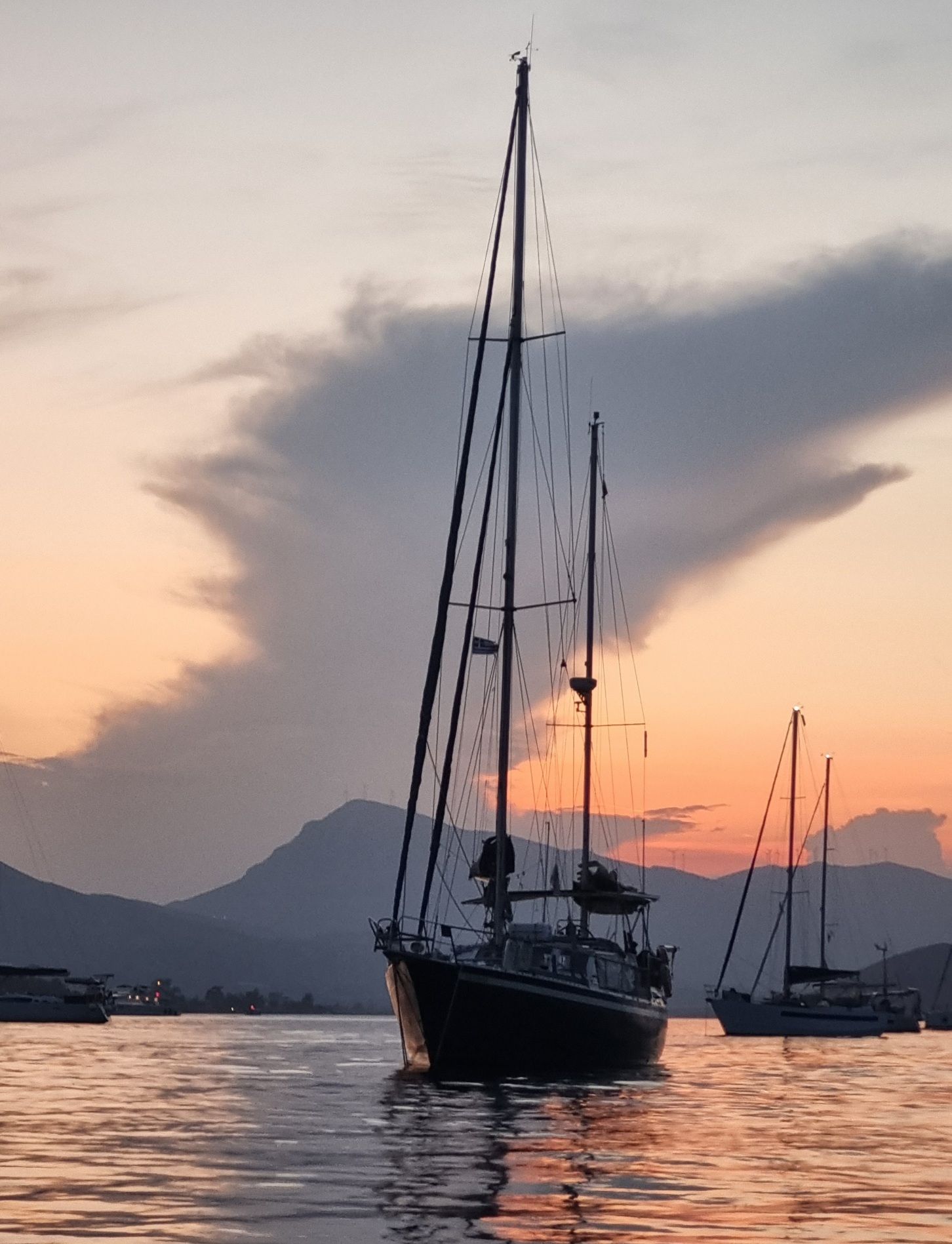
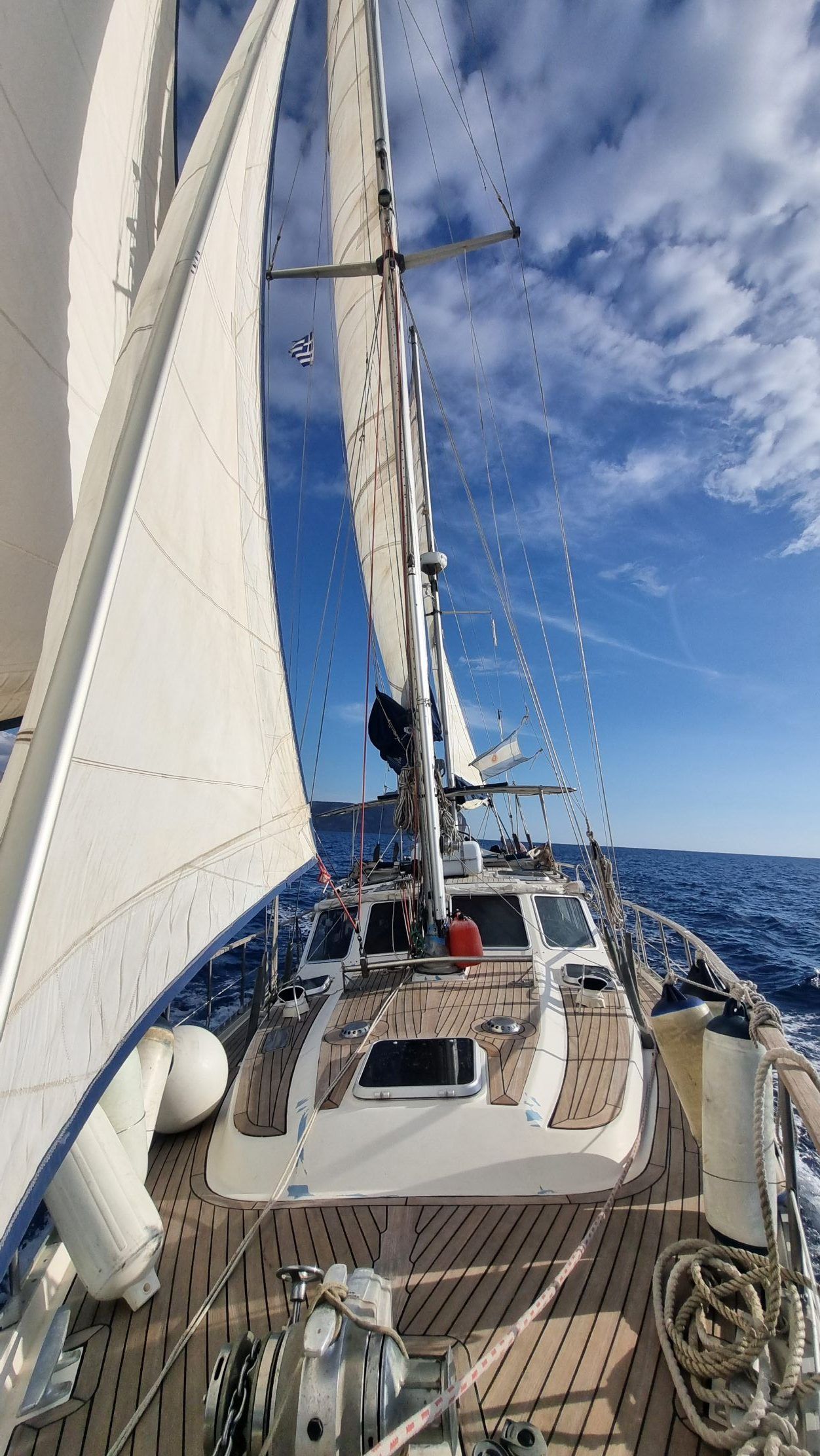
On an ocean voyage, I met Ezequiel, who is from Gualeguaychú (in the Province of Entre Ríos), and we became friends. One day he told me about a boat in Australia that we were very interested in and that we could sail it to America. That plan didn’t work out, but it sparked the idea of spending time together and buying the sailboat together. We then began looking for a boat with specific characteristics: we wanted a two-masted ketch (because it offers more living space) and a Bluewater model, due to the quality of the fiberglass, the capacity of the tanks, and the reinforced rigging, which is more resistant to ocean voyages.
How did they come across Itaca?
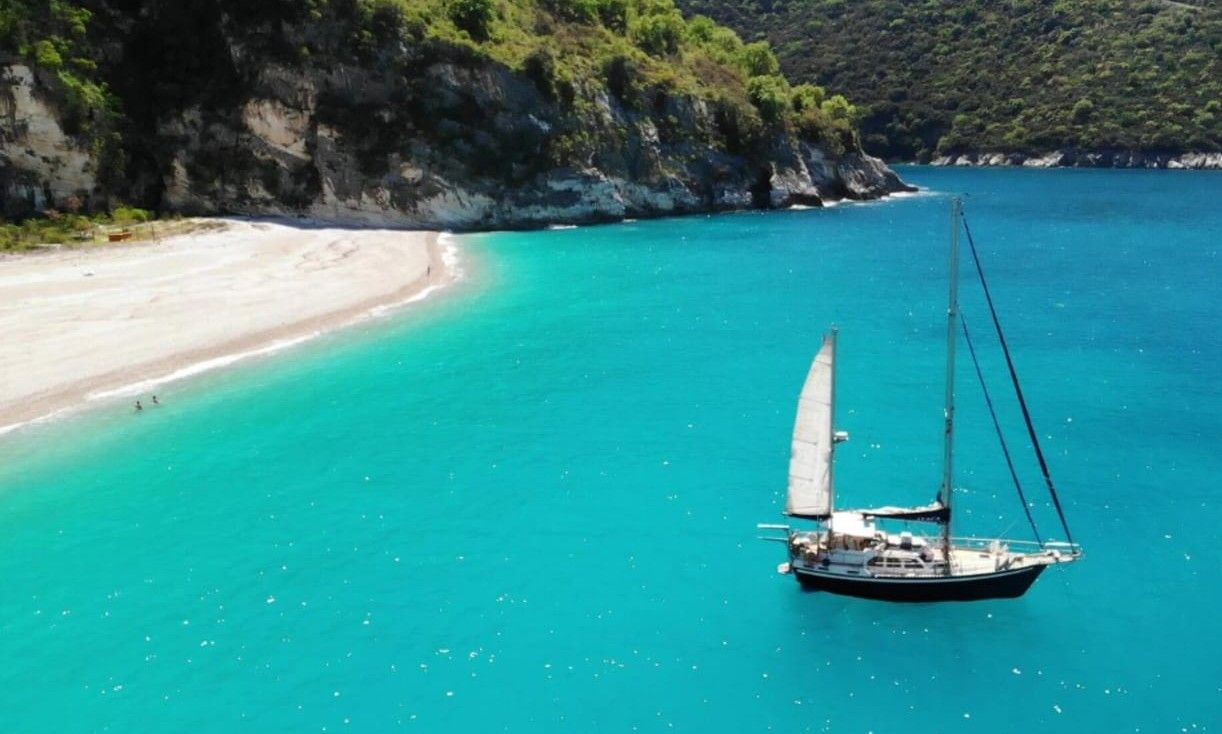
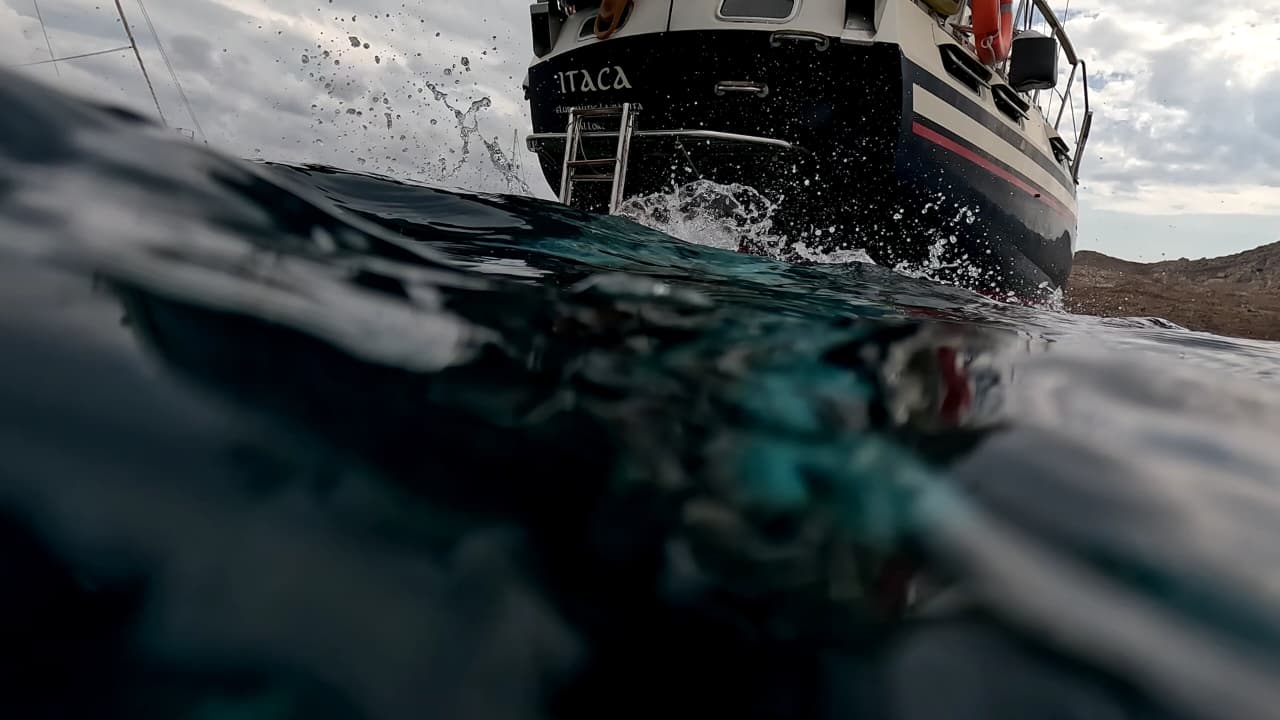
This sailboat was in Mallorca, Spain. It was listed at a price we couldn’t afford. A sailing friend traveled from Valencia to see it anyway, and we made the owner an offer. We put down a deposit based solely on what he told us, without ever having seen it in person. The owner had prepared it for a round-the-world voyage, but he got older and couldn’t do it anymore. That’s why he was interested in the life we could give it and let us continue our journey.
Ultimately, what we were looking for was a classic boat. We have 500 liters of diesel, 800 liters of water, and enough battery power for long voyages without having to stop in ports. It’s a very self-sufficient sailboat. In fact, I prefer to be at anchor; I don’t really like ports.
Did the name of the sailboat also catch your attention??
Yes, in fact my book begins with that quote from the poem, thinking of Homer and Ulysses, because it is a life journey, a spiritual one, where the destination or the arrival doesn’t matter, but rather everything that happens along the way, in the very process of the journey.
Did the journey begin in Spain?
The journey began in mid-June and July of 2022: I sent my resignation letter to YPF, and everyone was telling me, “You’re crazy, how can you leave a stable job?” I wanted to do it now and not wait until retirement. We started with a couple of months in the Balearic Islands, Ibiza and Formentera. We have the unusual situation that neither of us has a European passport, so that forced us to leave the European Union every three months. From there, we went to Sardinia and then on to Tunisia. Some might see that as a disadvantage, but for us, it ended up being an advantage because of all the countries we were able to visit.
Where did they go next?
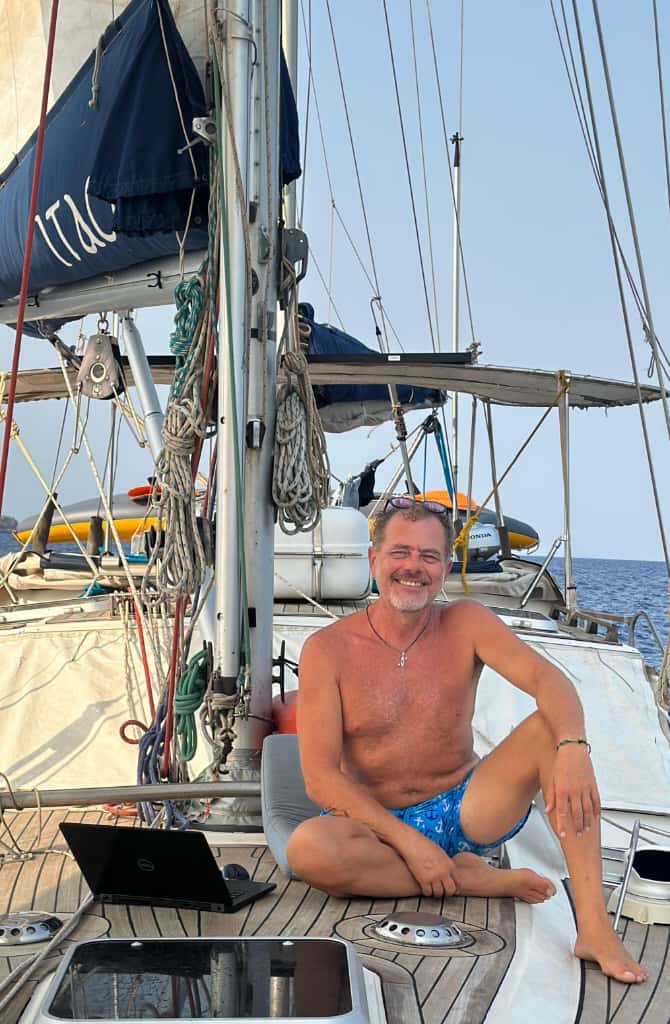
I spent my first winter, Christmas, and New Year’s in Tunisia. In Hammamet, I was alone because my friend had to return to his job in Panama. I gradually recruited people who wanted to join me as crew. In January, I spent two weeks in Malta and then traveled to Sicily: from the port, where I worked on the ship, I could see the base of Mount Etna. Next, I went to Santa Maria di Leuca, also in Italy, where I crossed to Albania, as another three months had passed. I explored the country, made friends, and continued on to Montenegro, where I sailed through the beautiful fjords and learned a lot about its fascinating history.
At that point, my friend rejoined me, and we sailed through the Corinth Canal to Athens, Greece. We spent the entire summer exploring the islands and continued on to Turkey. I returned to Argentina for a few months, and when I came back, I continued sailing alone throughout the Peloponnese and Syracuse. Last summer I spent in Malta, where I stayed for six months and took the opportunity to study English, build a bit of a community, and even started learning tango—something I didn’t even do when I was in Argentina! (laughs).
After that, we went back to Málaga, Lanzarote, and the Canary Islands, where we sailed to Cape Verde in Africa. We had to be very careful with the orcas, which are quite dangerous in that region. There’s something romantic about all of that, but then you have to live on the boat: I’ve had stormy nights where I think, “What am I doing here?”
How did you manage – and what differences did you notice – when sailing together versus solo, especially when you weren’t familiar with other crew members?
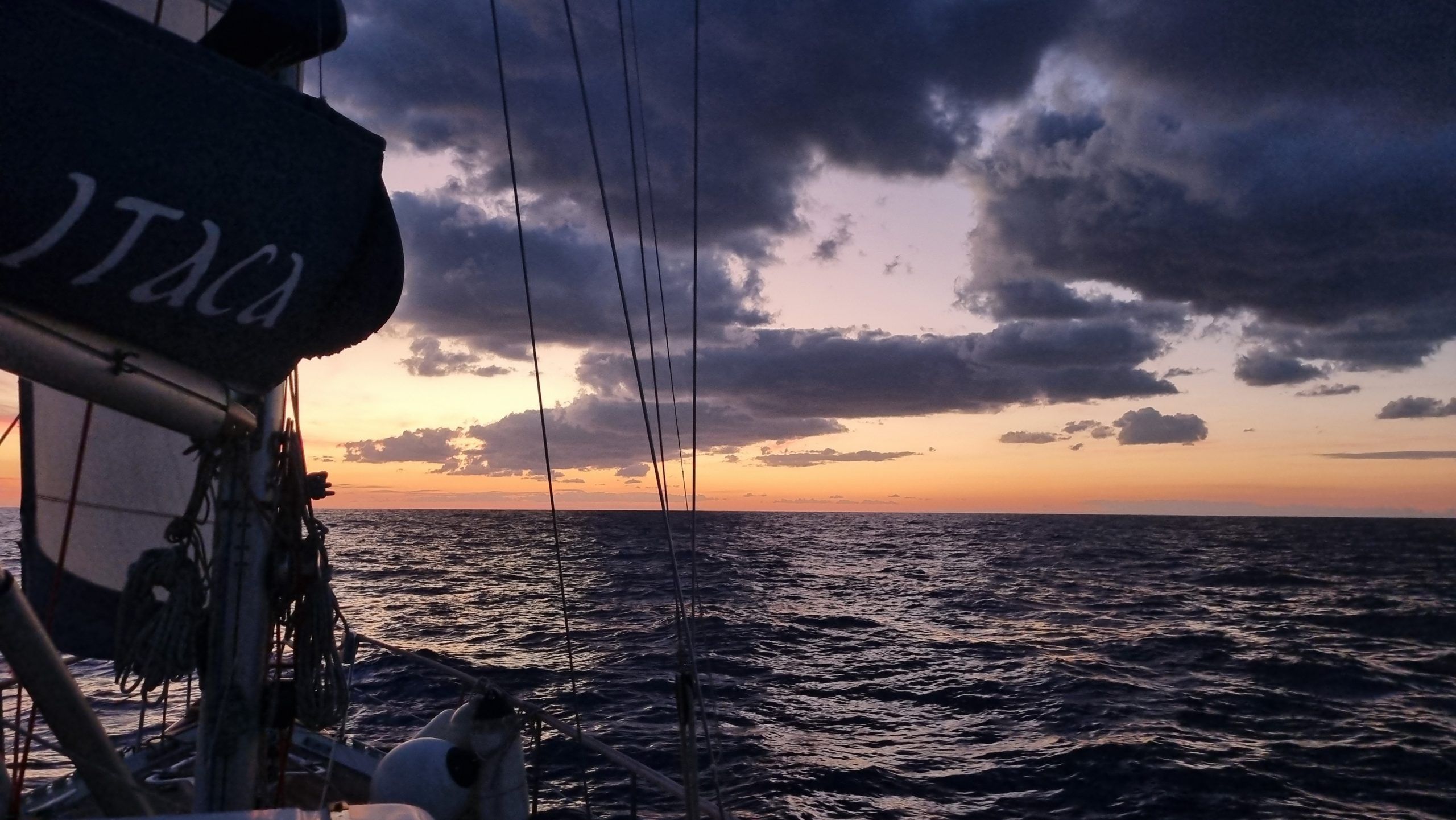
I’ve always had great crewmates; I haven’t had any major issues with that, because I think people who come sailing have a positive attitude and energy. I really believe in that, in people’s vibe, not so much in dogmas or religions. Now I call them ‘the Ithaca tribe’ because they’re friends I’m still connected with. Sailing solo, on the other hand, connected me deeply with the water and the wind, especially in the Mediterranean, which I say is more capricious, because there are winds that aren’t in any forecast and appear out of nowhere.
I also really enjoyed learning to anchor so I have somewhere to spend the night, because that depends on whether you’re calm (or not), and it forces you to be more attentive and focused. I also think it’s important to feel comfortable with uncertainty, to trust and learn to go with the flow, perhaps especially because of the circumstances that constantly arise while sailing. Perhaps it’s an analogy for many things that happen in life: you plan to go somewhere, and if the wind, the current, or the tide doesn’t cooperate, you have to wait and give nature time to make that plan work. The sea teaches us these things.
How do you balance sailing with your daily work?
During the pandemic, I was working at YPF and started looking for remote programming jobs. I began finding clients in Spain, which provided me with additional income, as I need to keep working while also sailing. This journey ultimately led me to the decision to sail the world and continue my work.
w did the possibility of writing this book, “Ithaca: Entre olas y silencios. A Journey to the Soul Through the Sea and Time,” arise??
The times I spent sailing alone gave me a lot of space for introspection, especially when I was anchored at night, because I’ve always been very curious and asked a lot of questions, even if I didn’t have the answers. I took notes on all of that, and the idea of writing a book emerged, filled with thoughts and reflections related to sailing itself.
That’s how the book came about, from that collection of notes, like an essay. My son read it recently and asked me what the bathtub was, because he associated it with something else, not with the part of a boat (he laughs). That’s why I might need to clarify a few things. But it’s something I’m passionate about, reading or writing, like playing music: here on the boat I also play the saxophone, and Ezequiel has a piano. This change in my life has given me a more direct connection with other art forms, which I had perhaps previously neglected.
How does the journey continue now?
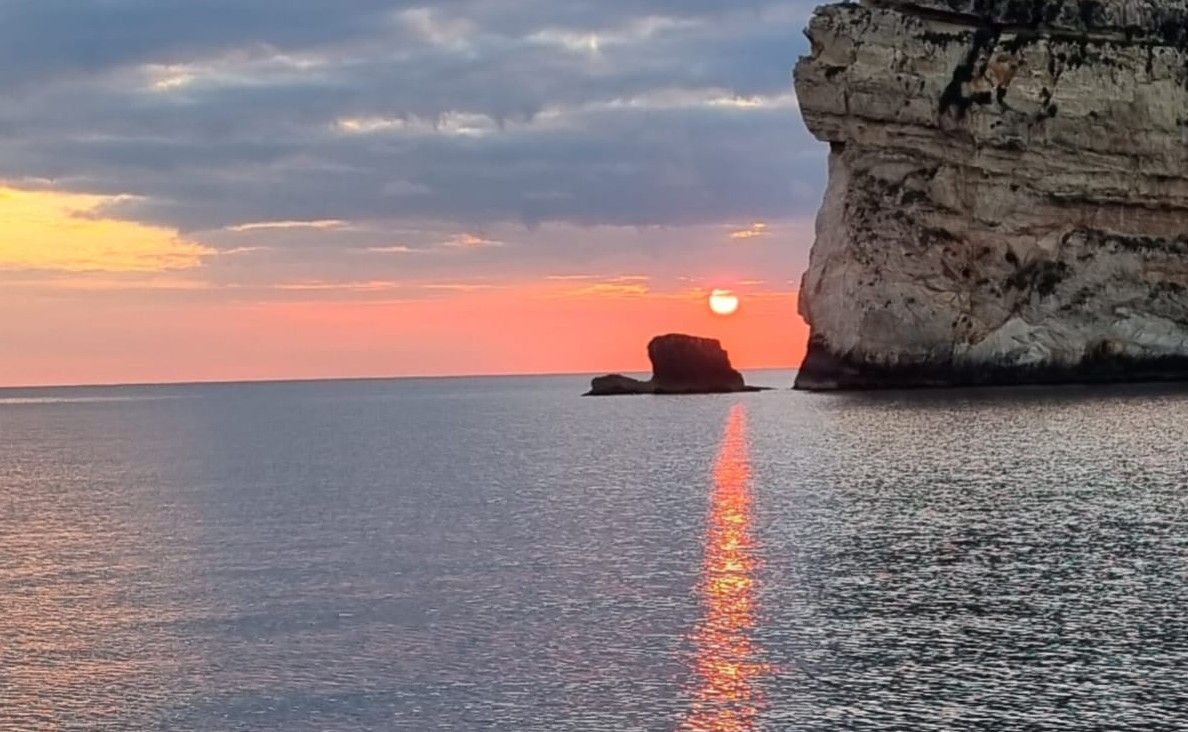
We’re currently in Boa Vista, one of the Cape Verde islands, waiting for hurricane season to end before crossing the Atlantic. I think those conditions will be right around November 7th or 8th. The plan is to cross those 2,000 miles to reach Barbados or Martinique, which, at about 100 miles per day, I estimate will take around 20 days of sailing. After that, my friend will continue 1,000 miles to San Blas, in Panama, with a crew. I want to fly back to Argentina for a couple of months.
We’ll meet up again in the Caribbean then, where we’ll be based in Panama for a while. The trade winds, which are very consistent, will allow us to cross straight to the Caribbean. Just like on the Atlantis expedition—they sailed without a rudder or compass—you get caught in that wind and there’s no other option but to head that way.
Links:
https://www.instagram.com/adrian.magnago/
https://www.facebook.com/claudio.magnago.1
The book can be ordered by writing to Adrián on this social network with the word “Itaca” and he will send it in PDF format to anyone who wants to read it for free.
From “Navegantes Oceánicos” (Bluewater Sailors) we thank Adrián Magnago for his collaboration with this interview and wish him fair winds and good luck on his next voyage aboard the sailboat ITACA..