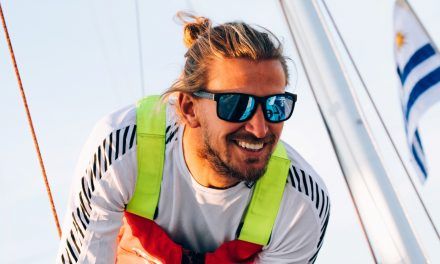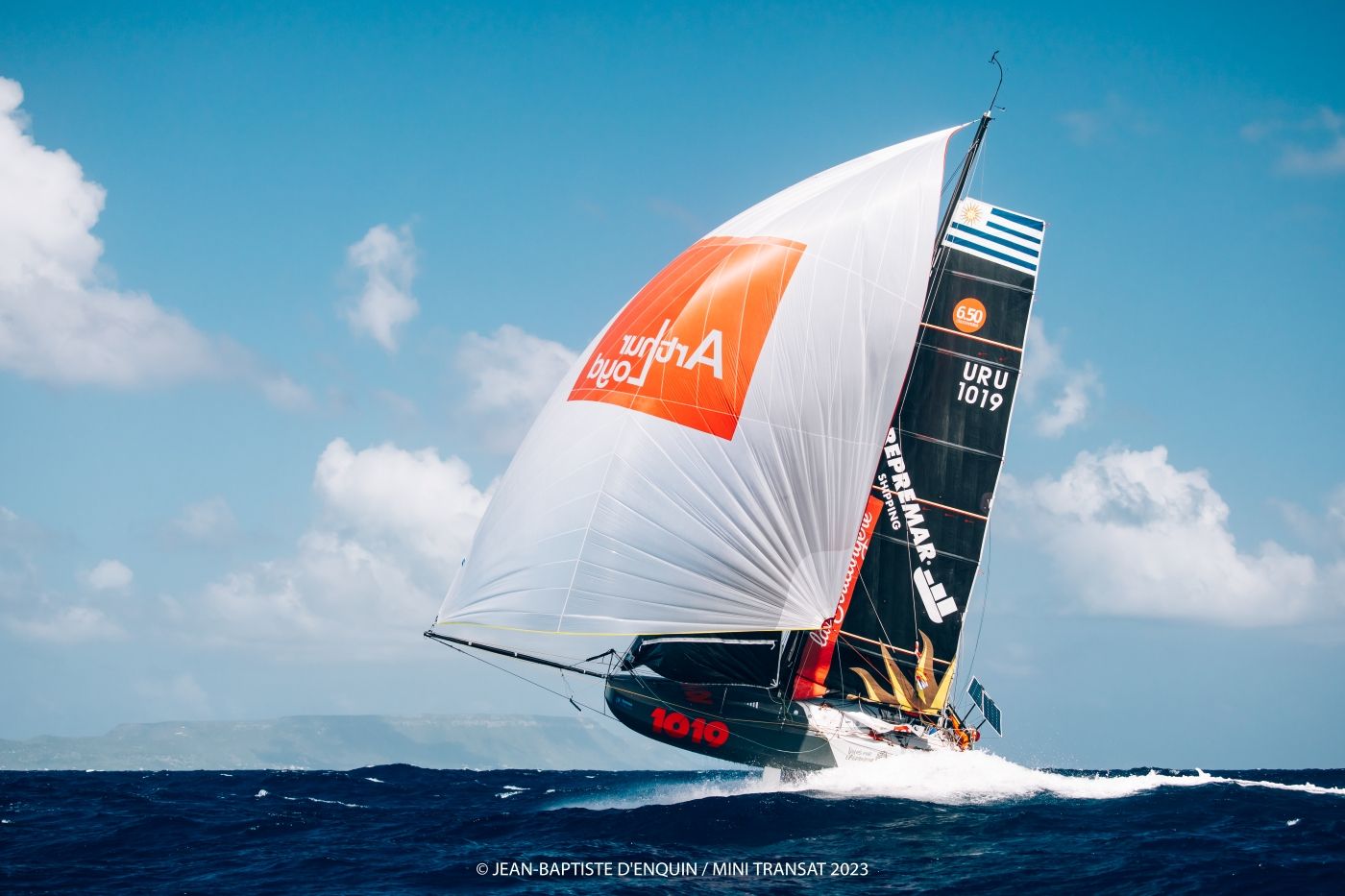
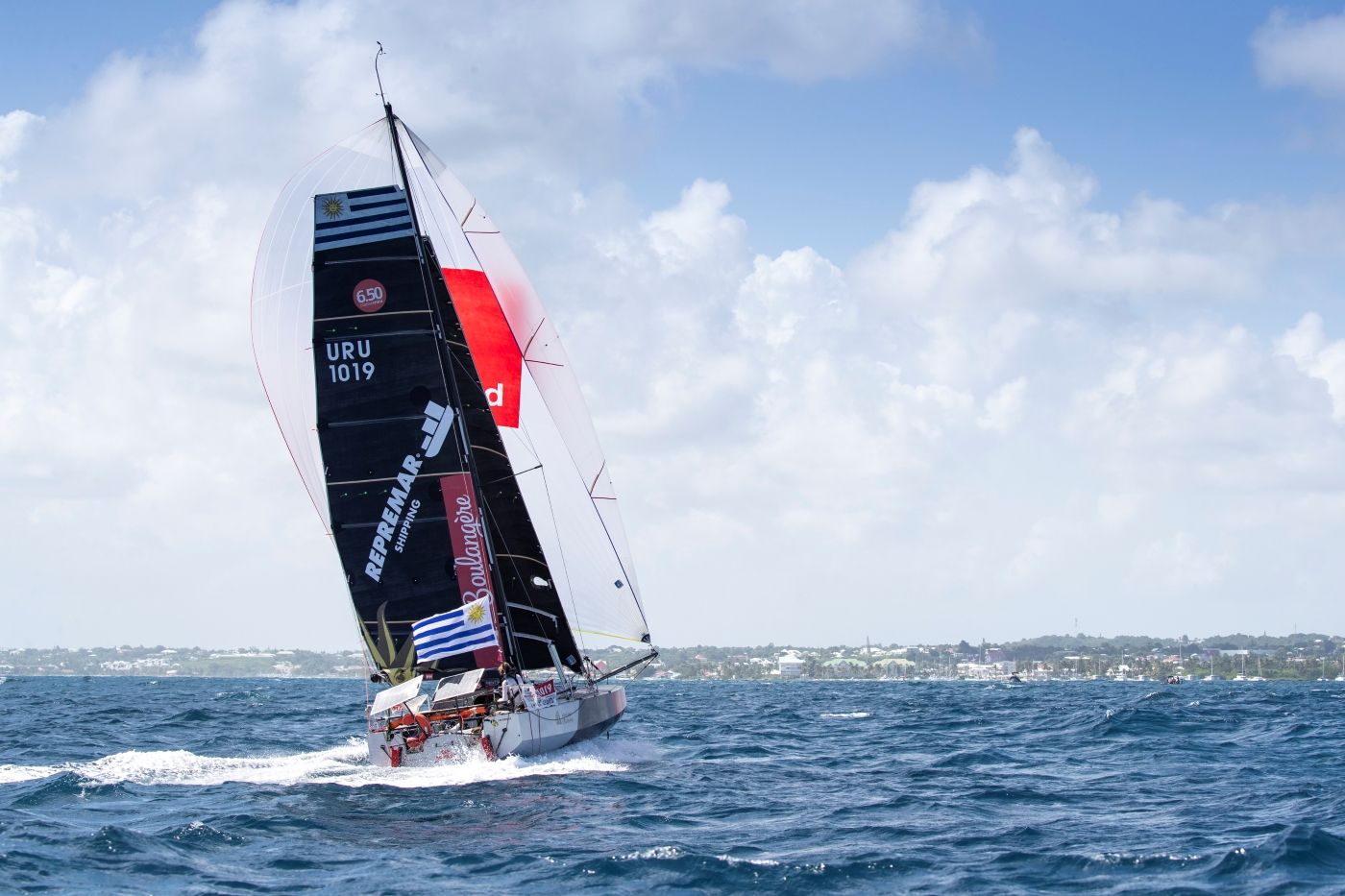
Federico Waksman, an engineer, was the first Uruguayan, the first South American, and the seventh non-French sailor to win one of the most challenging solo transatlantic races: the 24th Mini Transat in the Series division, in 2023.
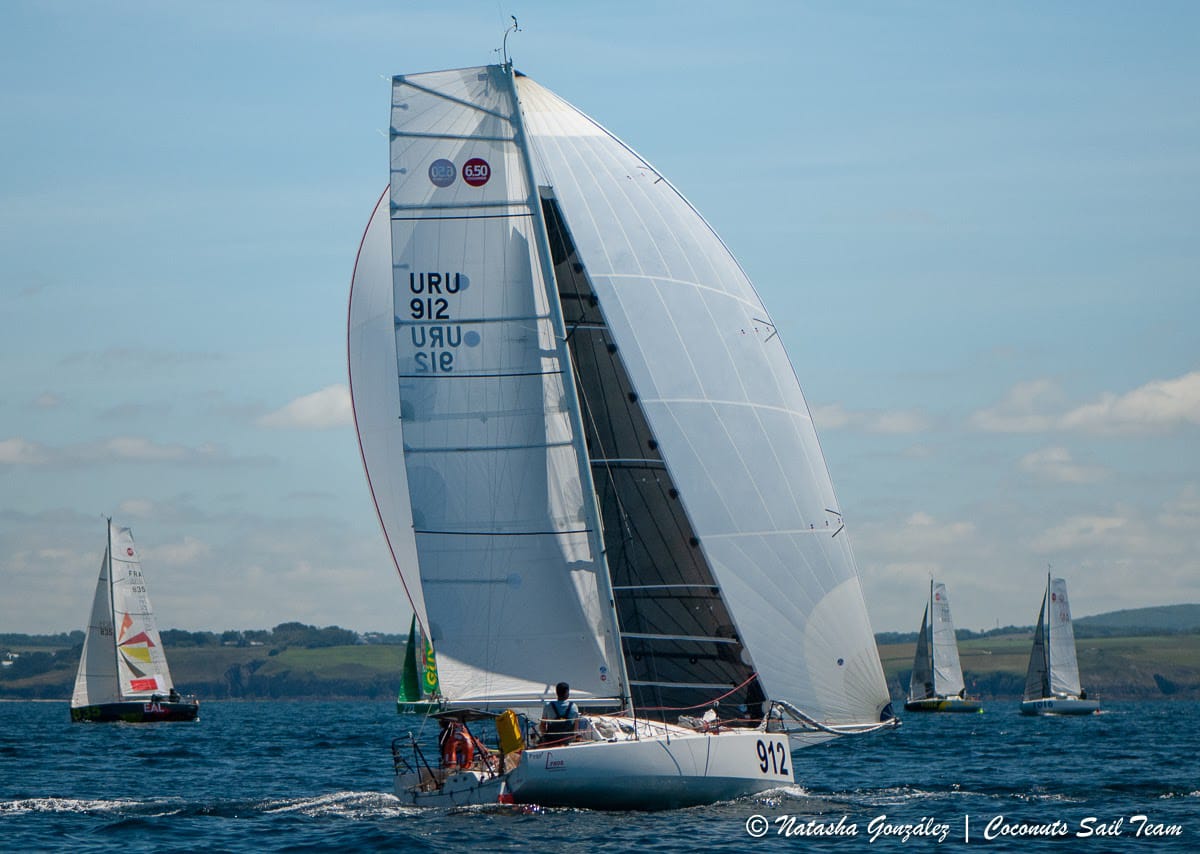
Last year, Federico also took first place in the Mini Fastnet, alongside Frenchman Benoît Marie, in a 600-mile race that included passing the iconic Fastnet lighthouse off the Irish coast and returning to the starting port.
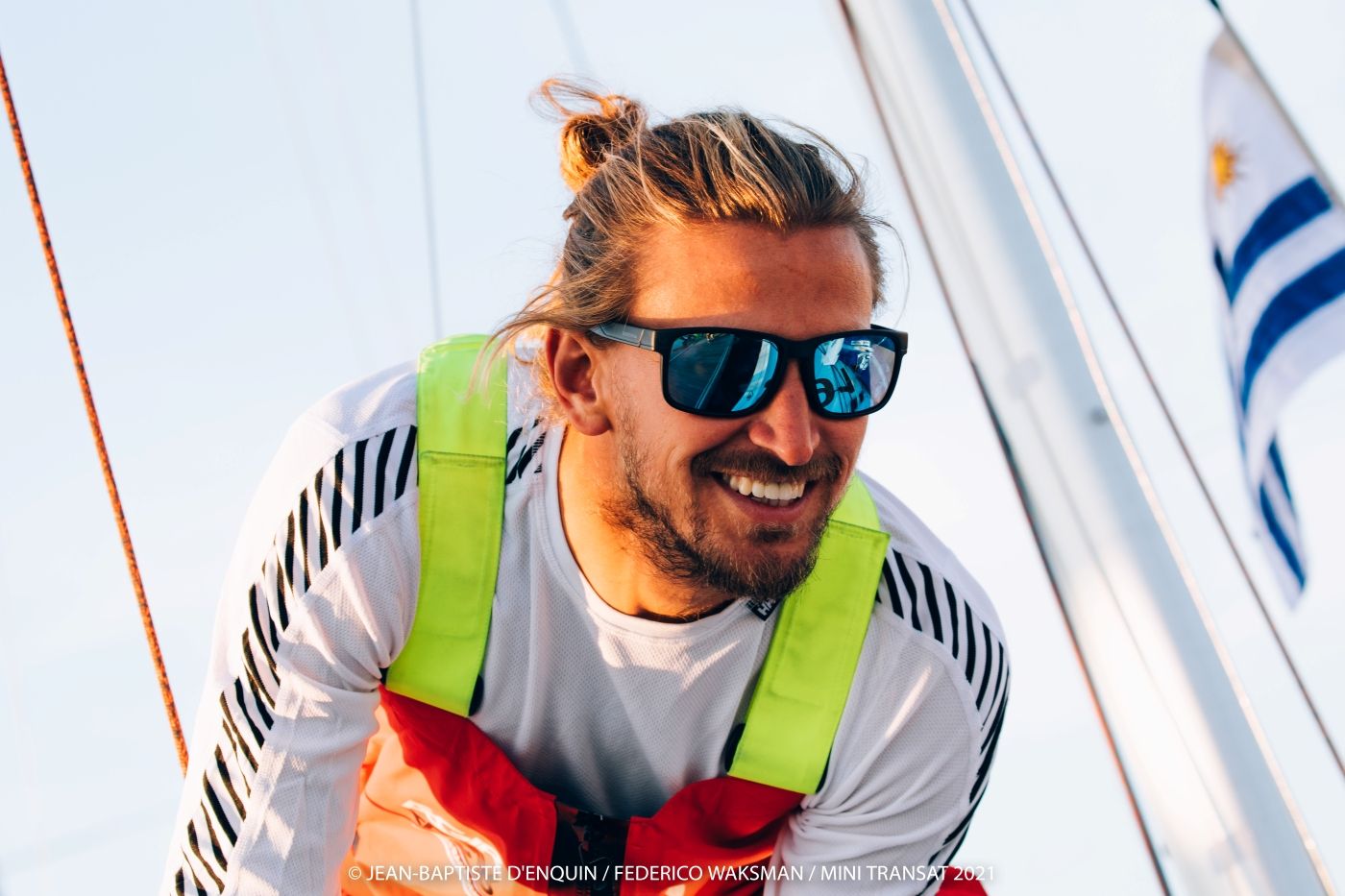
Federico Waksman
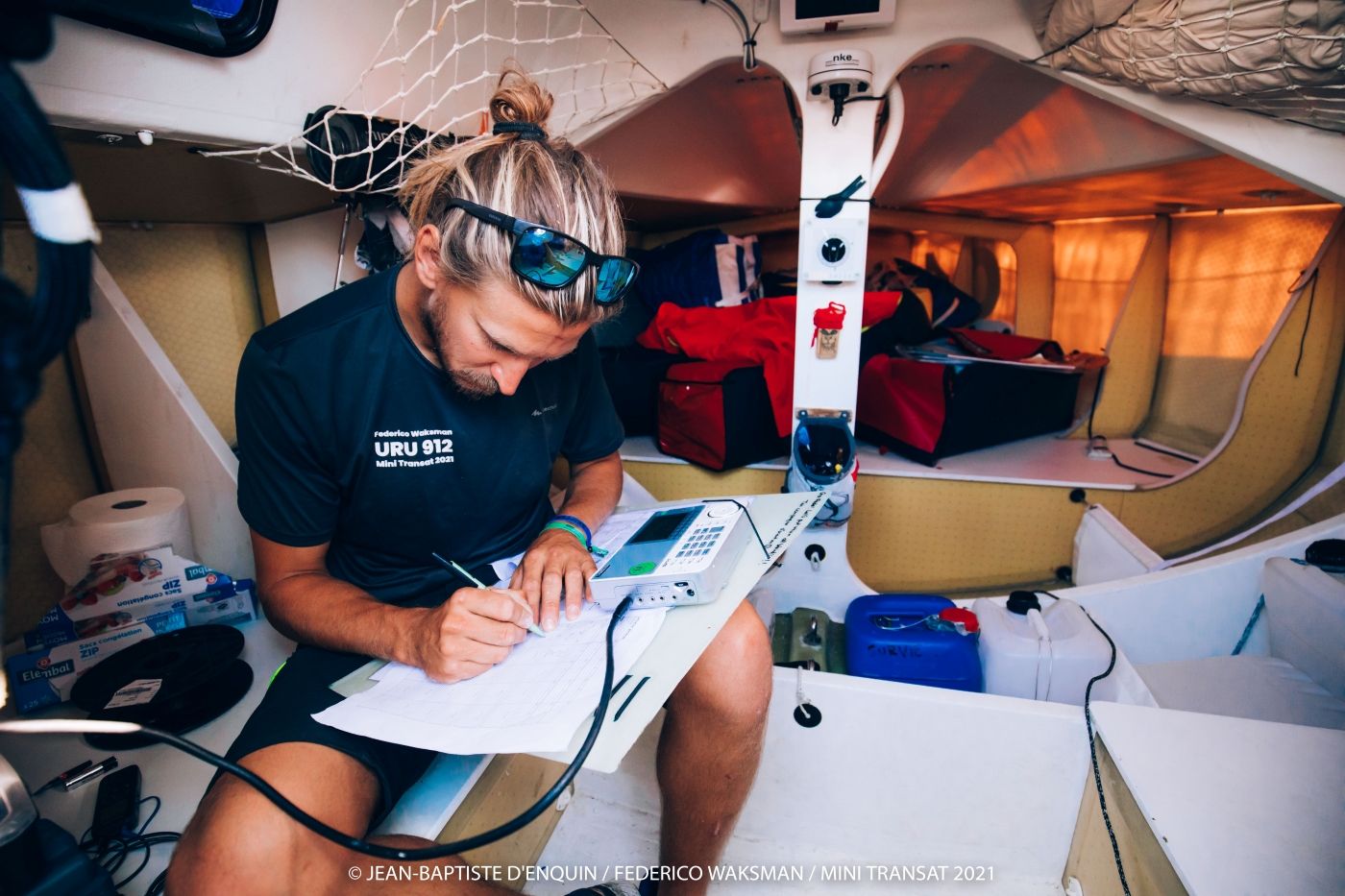
Some sailors call it the “Himalayas of the sea”: the Mini Transat is a solo transatlantic race for 6.5-meter sailboats. The “Mini” class was created in 1977 by Bob Salmon and is considered a rite of passage into ocean sailing, where sailors cross the Atlantic in two legs: from Les Sables d’Olonne, France, through the Canary Islands to Martinique or Guadeloupe in the Caribbean, without any external assistance and with very limited resources, testing their endurance, skills, and self-sufficiency on the high seas.
“It’s above all a test against yourself,” summarizes Federico Waksman, who compares the boat to getting into a Twingo: only one VHF radio is allowed, with a maximum range of 50 kilometers. The boats are divided into two categories: production (approved designs) and prototypes (more advanced). Sailors are not allowed any contact with land or to request assistance, except in emergencies, under threat of disqualification during the 4,000 miles they must sail solo. Furthermore, the experience requires extensive preparation, with only 90 competitors qualifying every two years.
However, this mechanical industrial engineer—who studied at the University of Montevideo and sailed for the Uruguayan Yacht Club on the Río de la Plata—managed to reach the podium in 2023, becoming the first representative of his country, the first South American, and the seventh non-Frenchman to achieve such a feat aboard Like Crazy. In 2025, he also took first place in the Mini Fastnet, a regatta in the French city of Douarnenez, aboard Nicomatic, alongside Frenchman Benoît Marie, on a 600-mile course that included passing the iconic Fastnet lighthouse off the Irish coast and returning to the starting port.
Federico, how did you get started in sailing?
I started a bit late, at twelve, compared to the usual age for kids who sail Optimists. It was at a school run by the Yacht Club that didn’t compete, wasn’t affiliated with any federation or anything; it just had its little ramp in Montevideo. It was a yacht club, but it barely had a ramp: we’d been going there since I was very little. A group of members had built, with a lot of effort, for a small fee, a course and a pool. They’d asked my mom if she wanted to try Optimist sailing, but if you don’t know what sailing and rowing are all about, you have no idea.
One summer I was at the pool with my brothers and the children of another family who were good friends of my parents (they had four kids and let us stay at the club to get around on our own or at the summer camp), and one of them was sailing Optimists and invited me to sail. Even when he told me what it was, I didn’t really understand much. I didn’t know what sailing was, like about 90 percent of Uruguayans, but that same day I went with him, I got out on the water in a boat by myself: I never wanted to stop going again. A coach saw some potential in me and invited me to another club. My father then bought me my first boat.
What happened next?
Between my father and this coach, they made me a member of the club. When I was fourteen or fifteen, the championships started. People would talk to me about Nacional, and I didn’t even know what it was (other than a soccer club in Uruguay). Then came the era of quinceañeras, or my schoolmates would go on school trips to Bariloche, and I’d miss everything and couldn’t care less. I suppose my father liked that (laughs). After the Optimist, I continued with Snipe, because at that time there weren’t many options in Uruguay. Nowadays, there are a few more categories. So I’d join as a crew member wherever I was invited or when they needed someone for training, until Ricky, a well-known sailor in the country, took me under his wing, and I started competing in some world championships. Later, my father managed to buy some Snipes, and I began competing more seriously.
I started studying Engineering at university, and with an internship I had, I spent my entire salary traveling, because there’s no competition in Uruguay. So I started going everywhere, and we won the Paysandú Regatta, the Rolex Regatta, and the Flag Week in Rosario. When things start going well, you get more involved, with good boats that give you a better chance of doing well, and with people who know a lot. Because if I stayed in just one group, I wasn’t going to learn anything. Sometimes I couldn’t afford it, but I’d take two or three boats on a trailer, and with the leftover money, I’d set everything up and take my own boat to compete. Then I had my final year project to complete at university, and I had to stop for a couple of years because I needed to concentrate on that, and it was a real bummer not being able to sail.
How did you develop afterwards?
At that time, I had a nagging feeling that I had traveled a lot thanks to my parents’ support, but I only knew the yacht clubs and hadn’t visited the places where I stayed. I’d go to a regatta, but between training and the competition, I’d come back home, and I hadn’t left the club the entire week. I had to be very focused, or I’d feel a lot of pressure: it happened to me in Ecuador, Malta, Chile, Italy, and Portugal. There were countless places, but I only knew the club. So I thought that when I finished university, I wanted to travel as a backpacker for a year. I competed in a South American Championship held in Uruguay, and then I dedicated myself to traveling.
That year, I caught the sailing bug and went back to sailing with a boat that had to be brought from Europe to Brazil. After that year backpacking, I returned to Uruguay, and Nicolás González (a Uruguayan sailor with many international achievements) called me. He was in Europe and wanted to put together a team. They also needed someone to work during the season. So I came back from the trip, got a haircut, shaved, and went to work with them. I spent the whole winter in Spain working that season there, starting with 80- or 90-foot boats, which is also very challenging. I ended up getting very involved, and it was great because I learned a lot: we were at the most important boatyards in Barcelona. But at the same time, I needed my own project.
Weren’t you competing?
Only in regattas with that boat. Then, when I learned everything I thought was useful, I went out on my own and worked for three years for a Brazilian with whom we built a boat in Finland. In the end, I ended up bringing the boat back with friends, from the freezing North Baltic to the Mediterranean, because his family wanted to spend the summer season there. A friend of mine bought a Mini Trasant at that time, and I helped him fix it up. He also works for another millionaire and kept his boat next to mine, so when we finished our workday, we’d work on it. He’s a very good sailor, but he’s not that passionate about competition.
How would you describe a competition as physically and mentally demanding as the Mini Transat?
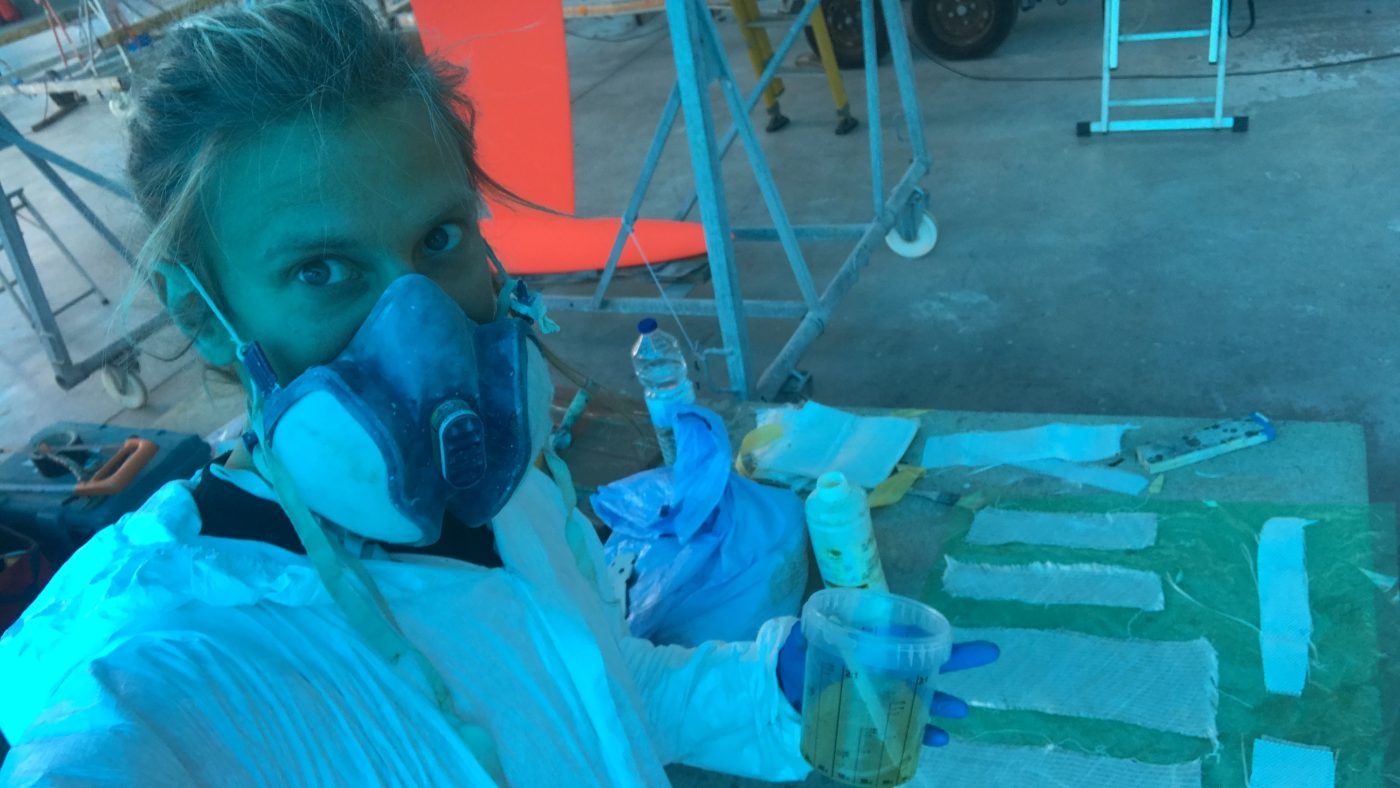
Ocean sailing is physically demanding; it involves sleep deprivation, poor nutrition, and is far more of a sacrifice than regular sailing. While all regattas have their pressures, this is incredibly tough. It’s a competition that also seems to serve as a test of your sailing skills: in a way, that’s true because you face many adverse conditions and push your boat to its limits, but it’s also because you find meaning in the competition, learning about your own limitations and your boat’s capabilities. So perhaps you do end up becoming a better sailor, it’s true, but at a great cost. I was passionate about all of that, learning to sail alone, like a thorn in my side, something I had to push through to the limit.
Was all the preparation of the boat carried out in Barcelona?
Yes, this friend of mine offered me that boat. I’d been considering it, but I said no. He eventually called some French people who wanted to buy it, and when I was about to close the deal, he insisted again that it was the boat for me. He offered me the option of not paying right away, but later when I could. So I was hooked. I started winning regattas with that boat, first in the Mediterranean Circuit, then I bought the Pogo 3 and moved on to the Atlantic.
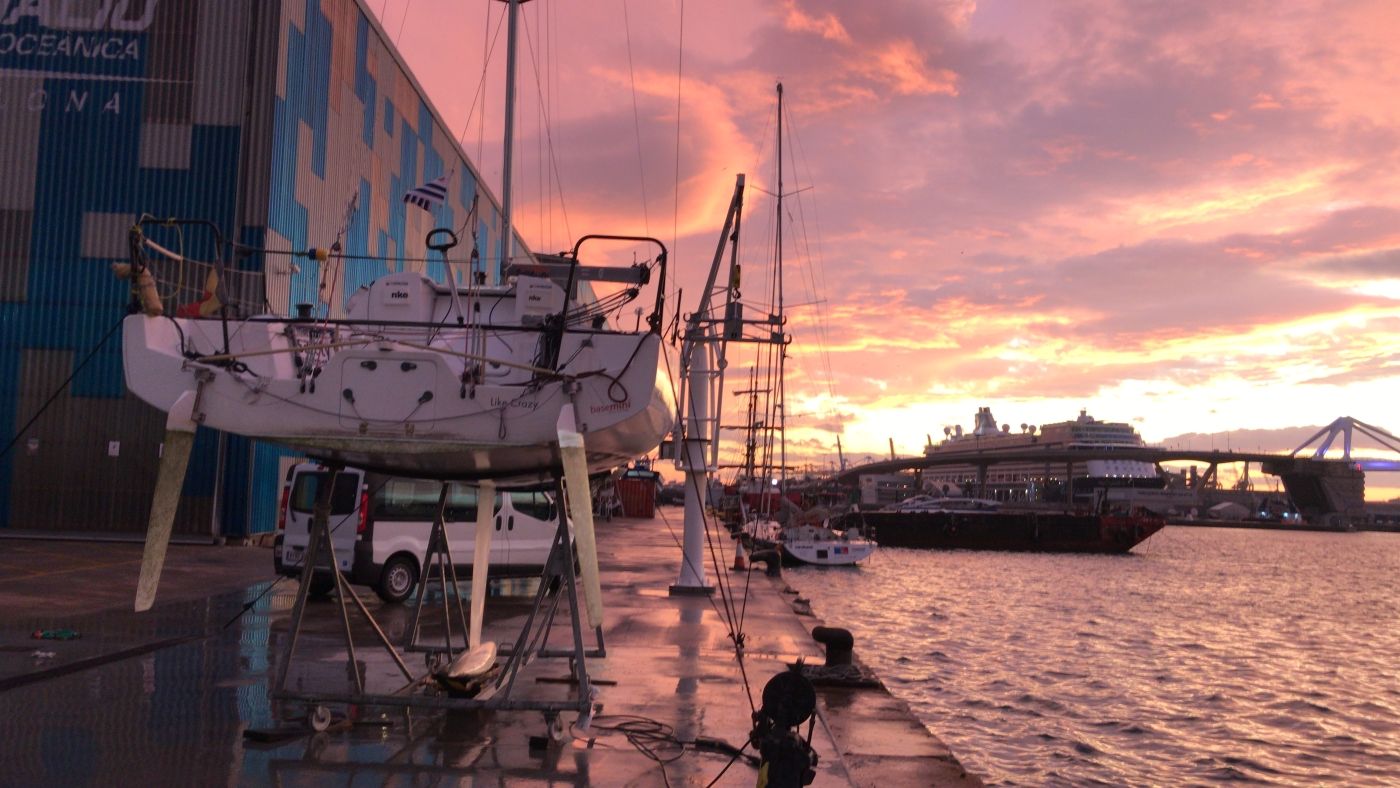
Also, when Nico González called me in 2014 to come work in Europe, his entire project was based in Barcelona. The port of Badalona, which was growing, saw even more growth thanks to all the support we gave it. It was a huge boom for the industry, from the boat owners to the person who sells you the smallest screw. That’s why I have such a strong connection to Barcelona. I spent many years building things and watching the port grow, getting to know all the workers, even during the COVID wave, locked in a hangar to build my project.
The rules were modified or changed over time, right?
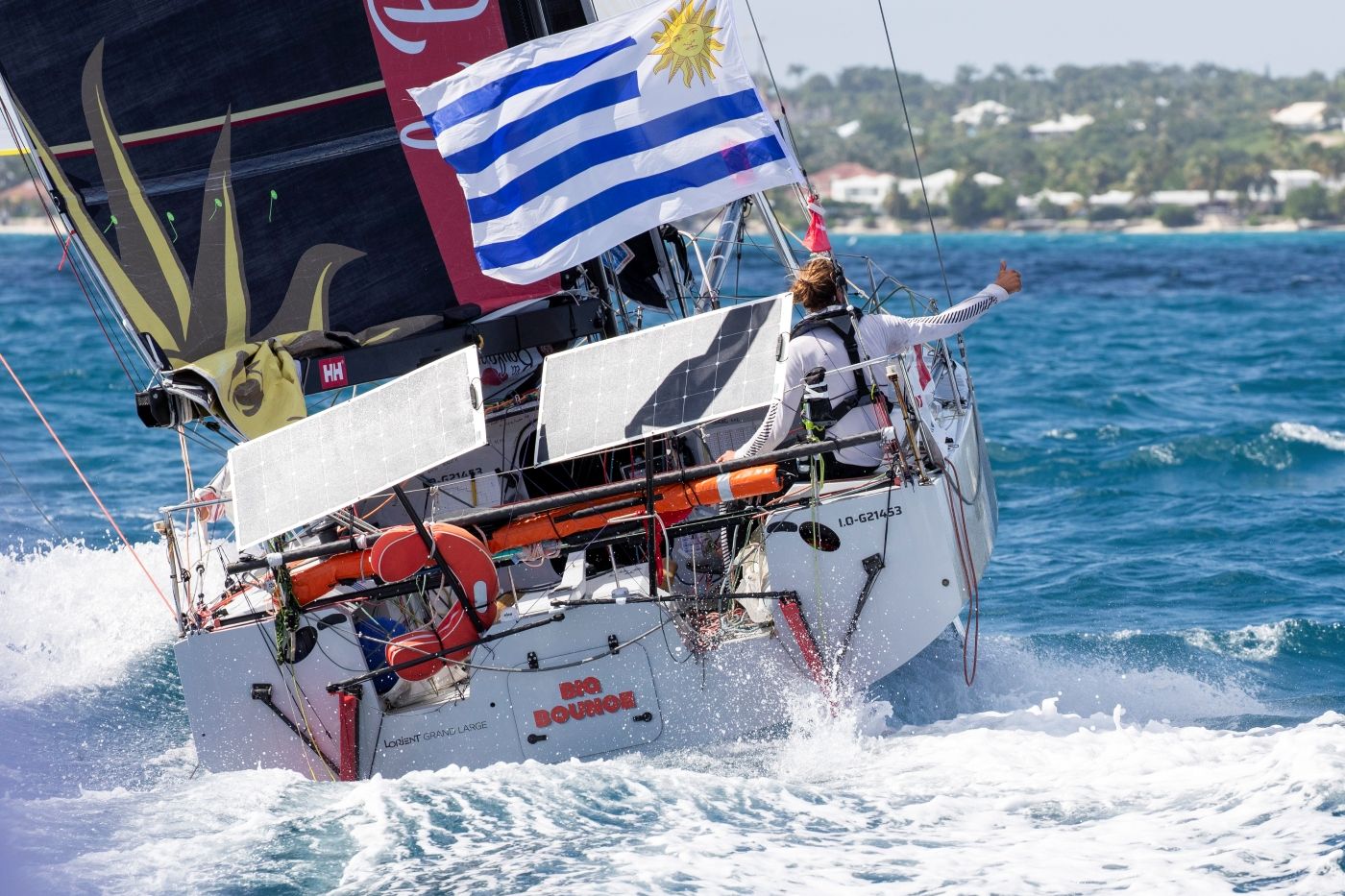
The French have been perfecting their boats year after year, and the rules have been adjusted throughout this time. Rules accumulate, partly for safety reasons, given the countless things that happen in regattas. I raced in the Pogo 2, and then the Pogo 3 came out, which is from a different shipyard, but by the time I started the regatta, there was already another new design on the market.
The other very important point is qualification, because you have to have accumulated a certain number of miles in the Mini class and qualified a year earlier. You prepare for that for a long time. Otherwise, you’re out of luck. So many people want to participate, and the ports can’t accommodate 300 people, so only 90 can enter (which is still quite a lot). There might even be some people who managed to accumulate that number of miles in the races authorized for their class but couldn’t enter the previous regatta. In my case, in 2023, there were 150 people ahead of me. The next one, for example, is in 2027.
However, I think all that training is necessary; you could see it too, because people who barely made it ended up dropping out. That’s why the Mini Trasant is one of the few elite ocean races that’s run in class, because all the boats are the same. Once I qualified, for example, I was 100 percent committed to it: I slept in my truck next to the boat, I got the best coach to train me, I had won almost every championship that season, and I also had the experience of having done the first race in 2021 and learned a lot from it.
What were the main difficulties encountered in this type of competition?
The whole process takes a long time. Besides, learning to sail is one thing, and learning to compete is quite another. For example, reducing sails, adjusting the keel, checking the boat’s ballast—it’s an endless list of things you do before leaving the boat, which is enormous when you’re a racer. On the other hand, if you’re a sailor, you just check where the next port is, which isn’t bad either. So, learning all those things we can do takes many years of learning and accumulating experience.
What was your ship like?
The original competition had a good purpose: everyone had to build their own boat and try to reach the other side. Also, because there weren’t that many shipyards back then. Later, that changed, and they started building scale models. It was a very competitive boat, already built and tested; I just made small modifications.
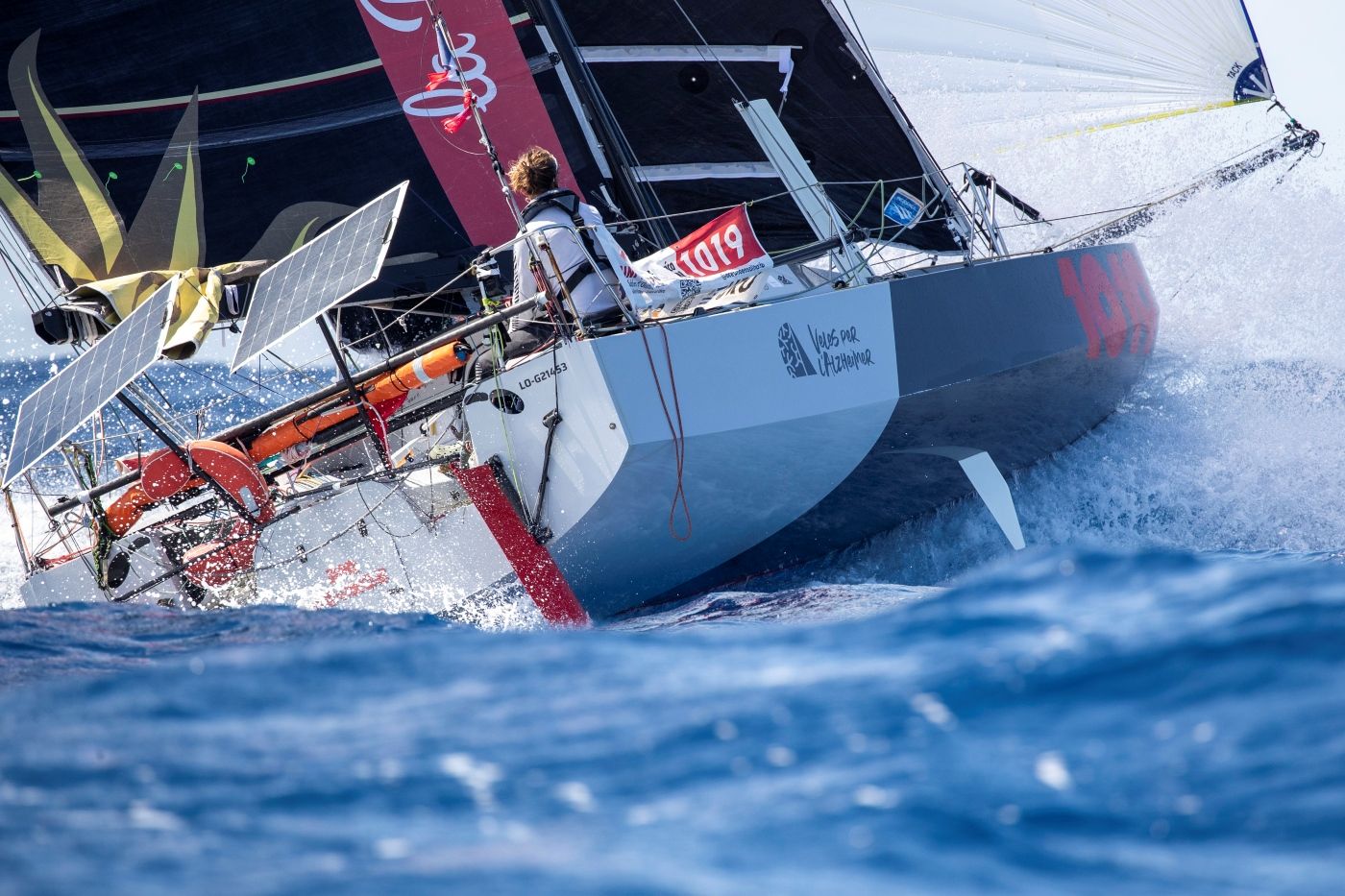
But there are other boats that focus on adding foils to make them fast. For example, a boat instead of going 14 knots can reach 22. That’s why it’s so important to test in the Mini Trasant class, and then you can transfer that to a larger 60-foot boat and sail around the world solo. But the real testing ground is always that boat. The class allows for that: you can buy a design for next to nothing.
From what you’ve mentioned, the financing must also be complex, right? ¿no?
The other thing—very important—is funding (laughs). In the end, it boils down to that: we spend 90 percent of our projects looking for the money to fund them. In a way, we compete with other sports that have large corporations behind them. It’s also difficult in South American countries like Uruguay because there’s a lack of a nautical culture; they don’t open doors for us, or it’s very hard to get funding for ambitious projects. Sailing isn’t as ingrained in our culture as, for example, it is in France. Just before Christmas, we met with the Secretary of Sports, trying to find support for two projects we’re doing on a shoestring budget, with the idea of adding new schools in the country for girls and boys in Uruguay.
Are there few schools for children in Uruguay?
Of course, for me, children are the foundation; that’s where this nautical culture should begin. That’s what we’re trying to do now, for example, with public schools, which are largely disconnected from the river or the beaches. There are places where all it takes is building a ramp with three or four boats, but the schools that exist are slowly dying out because they do everything on a shoestring budget.
What does the Mini Fastnet, which you won a few months ago, consist of in 2025?
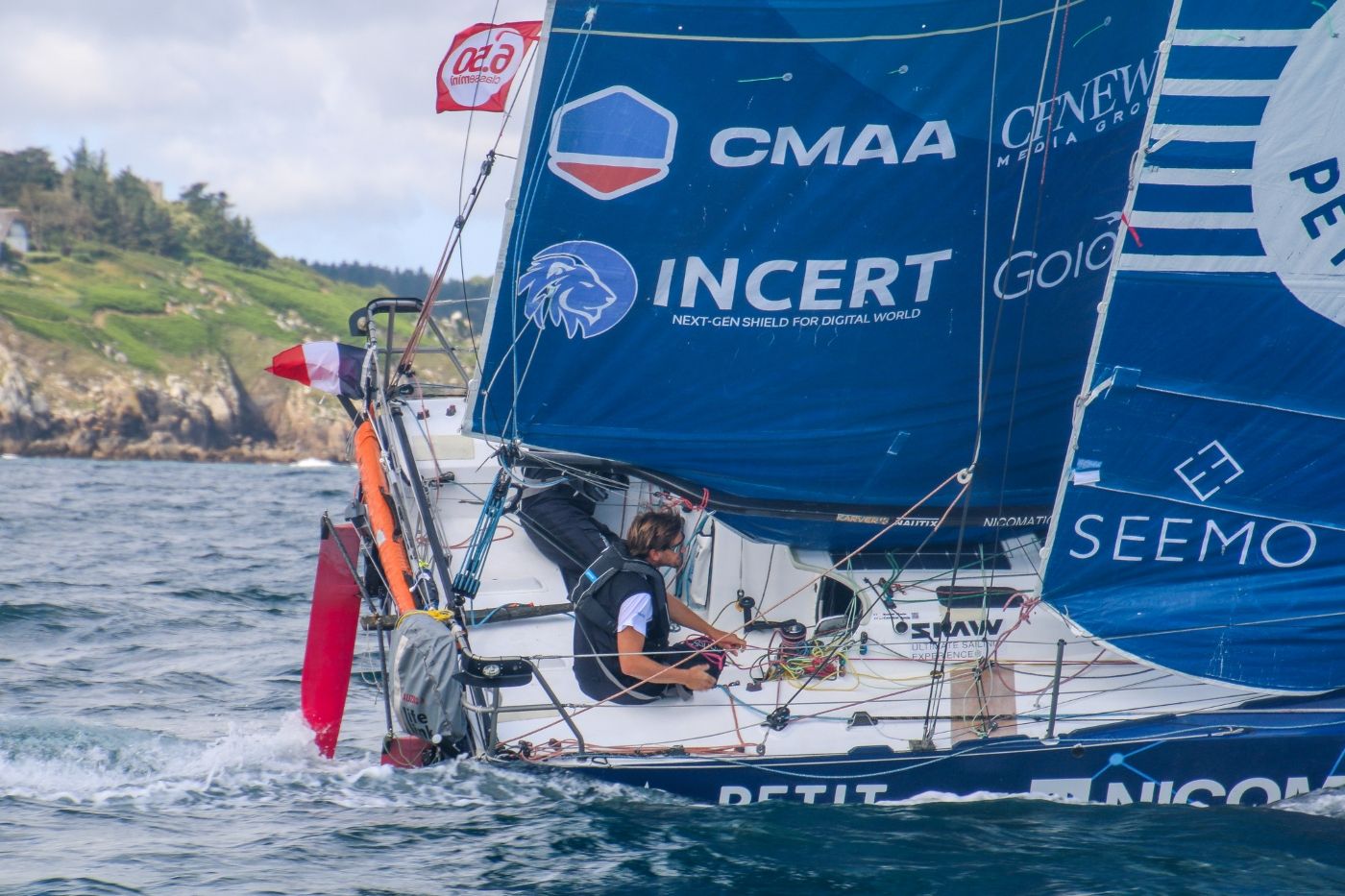
The boat we competed in has a foiling system that allows it to rise above the water’s surface for greater speed. The race covered almost 600 nautical miles, passing the iconic Fastnet Lighthouse off the Irish coast and returning to the starting port. We sailed alongside Benoît Marie, after leading the fleet of 77 boats for almost the entire race.
How did becoming South America’s biggest sailor change things?
Are you received differently in Uruguay?
Yes, my arguments for requesting funding are now clear. I’m also an honorary member of the club. Everything related to social initiatives came up, and it was great: I’d like to be a kind of ambassador for new generations, for example, for a child sailing on Laguna del Sauce who can see a Spinnaker flying in the middle of the Atlantic.
I’m the patron of several schools, and that’s why I also met with the government to see what tools we can implement to promote sailing in the country. I give everything I can: in fact, last year we brought a container full of equipment from France to donate to an NGO called Viento en Popa (Wind in the Sail), which aims to expand nautical activities to young people from diverse backgrounds. We also brought two Lasers to La Paloma.
And at a competitive level?
The reality is also that, from a competitive standpoint, I’m motivated to go to France because there’s a huge difference in the development of sailing there. Last year we raced the Transat Québec Saint-Malo, and while the boats are very limited because the category dictates they must meet certain specifications, they still managed to create impressive vessels. We’re light years ahead.
In the last round-the-world race (Vendée Globe), 18 of the 34 participants had previously competed in the Mini Transat. What are your next plans?
I’d like to be in Brittany, France, to see what happens. The idea is to keep sailing and take on new projects. The ambition, of course, is to sail solo around the world in the IMOCA Vendée Globe. It’s a very expensive project, but the idea is to keep adding to it little by little to see how we can make it happen.
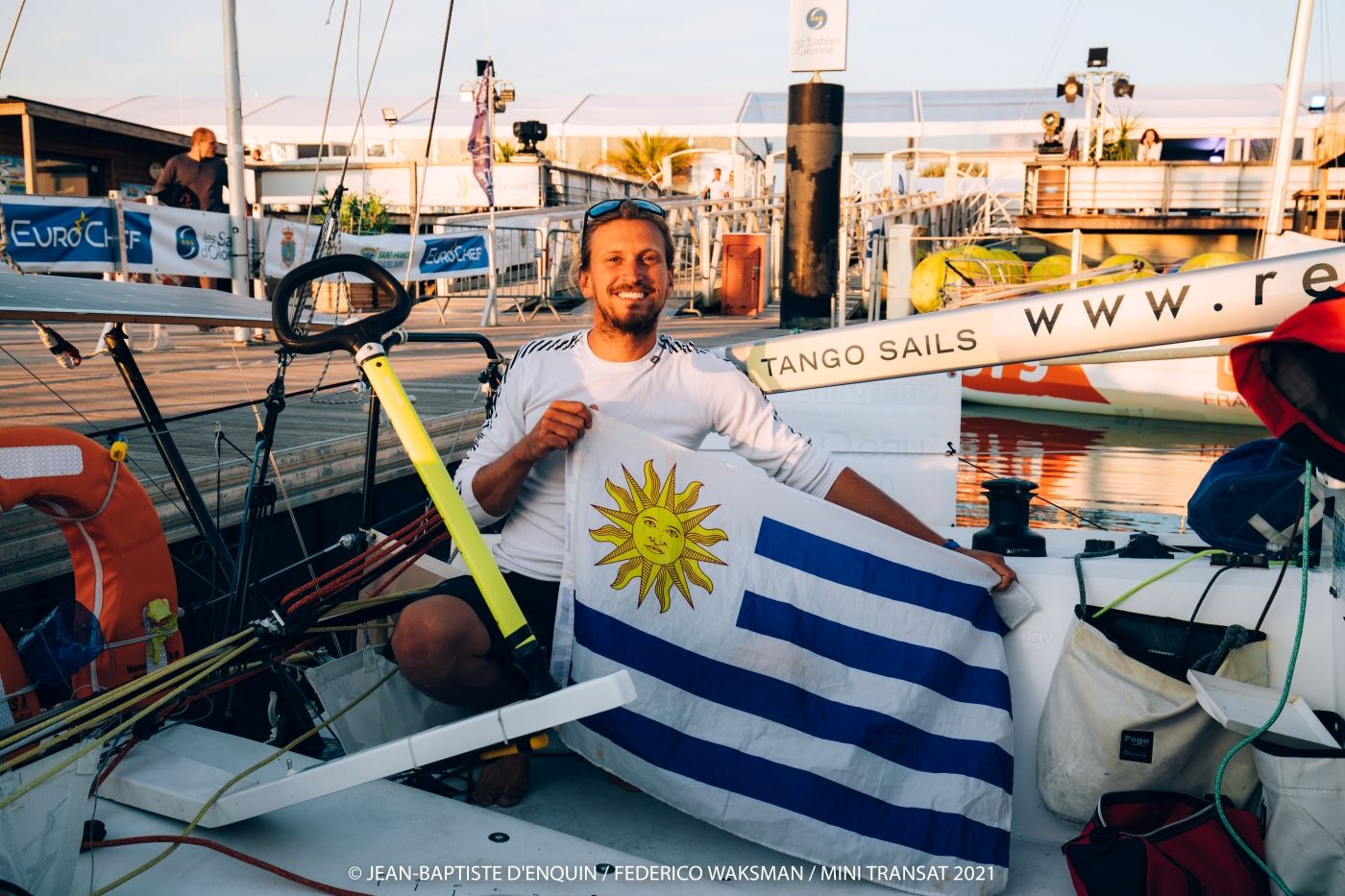
From “Navegantes Oceánicos”, we thank the great bluewater sailor Federico Waksman for his collaboration on this interesting interview and wish him much success in his upcoming regattas and sailing projects.
Good luck, fair winds and following seas!