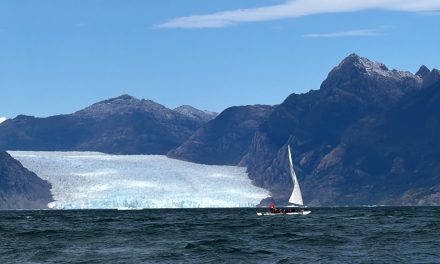
Vuelta Vertical reaches the Antarctic Circle after a two-month journey
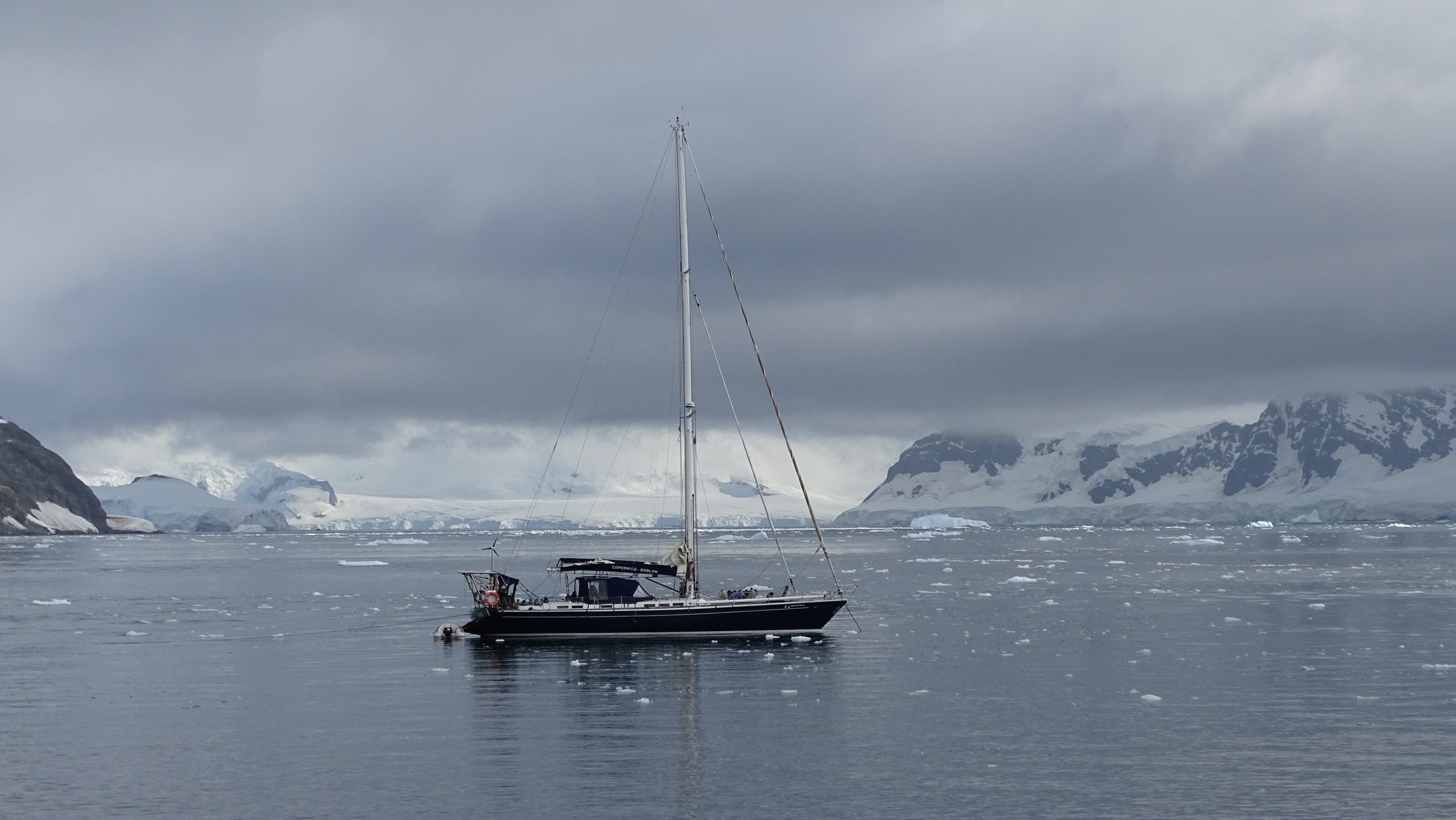
- Paula Gonzalvo and Pedro Jiménez are sailing live 24/7 across the South Atlantic in extreme conditions, approaching icebergs and some of the most challenging waters on the planet.
- After traveling 14,000 kilometers from Castellón, the expedition reaches the 50-meter-long icebergs with sub-zero temperatures and continuous storms. The sailboat Copernicus enters an iceberg zone after detecting the first ice of the expedition.
SOUTH ATLANTICO | 15 JAN | COORDENINATES 50°S
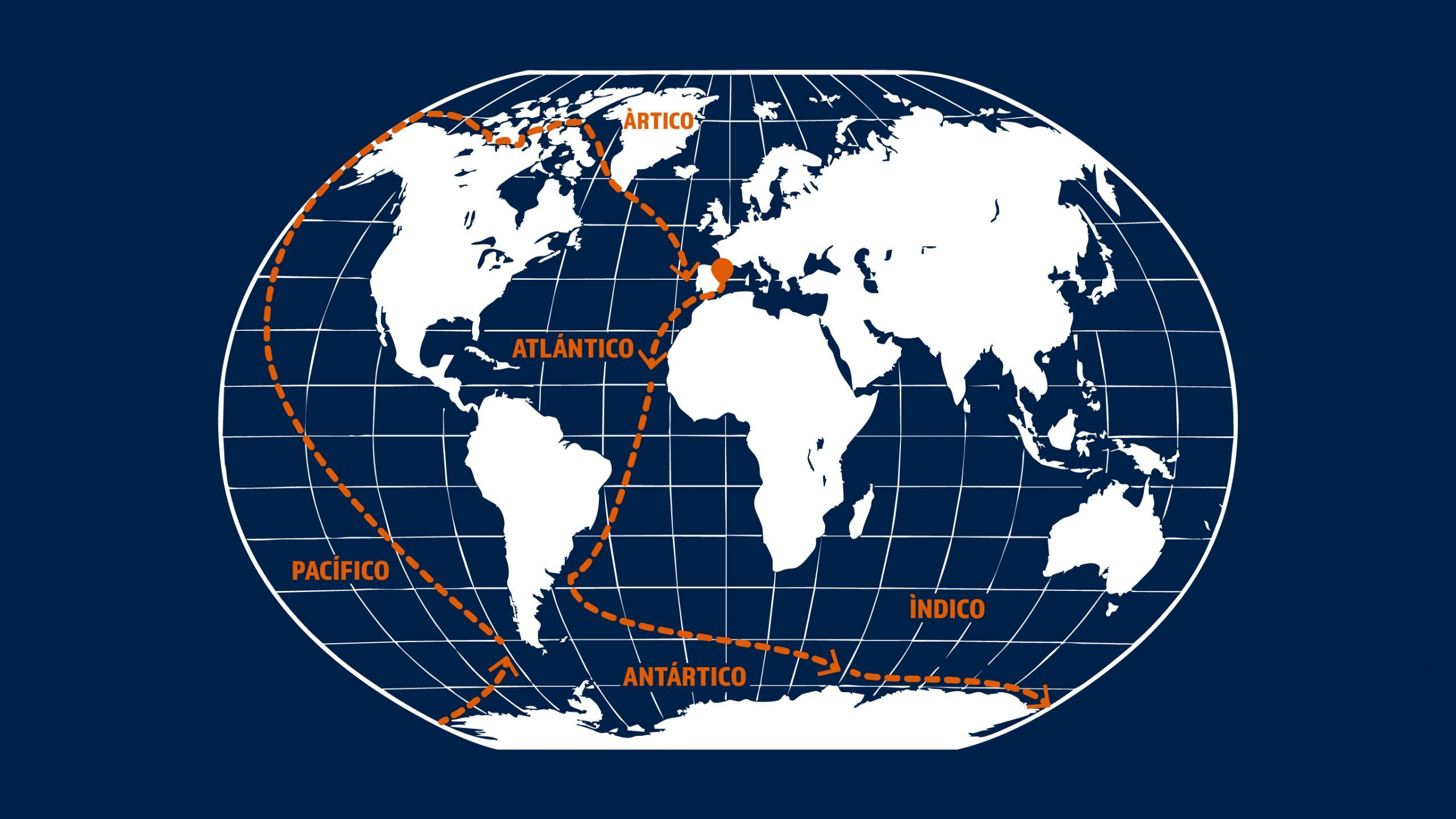
Two months after setting sail from Castellón on November 15, Paula Gonzalvo and Pedro Jiménez have reached the Antarctic Circle aboard the Copernicus, a crucial milestone marking the start of the most demanding phase of the Vertical Tour: the circumnavigation of Antarctica. Having sailed 7,550 kilometers from Mar del Plata and a total of 14,000 kilometers from Castellón, the two Spanish sailors are now venturing into the legendary Southern Ocean, where weather conditions reach their peak intensity.
Extreme conditions in the South Atlantic
The crossing of the South Atlantic has been a first encounter with the harshness of polar waters. Temperatures have dropped from 23 degrees Celsius to 10 degrees, and in the coming days they will reach -2 degrees on board. Waves regularly exceed 10 meters in height, while hurricane-force winds and continuous storms define the meteorological landscape of this region.
“We live in almost constant storm conditions,” says Pedro Jiménez from the sailboat. “Every day is a humbling experience in the face of the ocean’s power. But the live broadcast allows anyone to experience this reality from home.”
Despite the adversities, the sailors have enjoyed moments of relative calm that have allowed them to observe marine life: orcas and whales have been their first encounters with Antarctic fauna, reminding them of the importance of the scientific mission that accompanies this adventure.
First contact with ice
After two months at sea, the expedition has detected its first ice floe, marking a turning point in the voyage. The Copernicus is now in iceberg territory, sailing at 50 degrees South latitude—popularly known as the “Screaming Fifties”—one of the most challenging regions on the planet for sailing.
The immediate objective is to locate and track the movement of iceberg A77, which is drifting at an average of 35 miles per day. This region, near the Weddell Sea, is particularly dangerous: the ice calving from the Antarctic continent into the Atlantic requires constant vigilance and precise strategic decisions.
“We’re tackling this 12,000-mile route with short-term objectives,” explains Paula Gonzalvo. “The distance is so immense that we need to break it down into achievable milestones to stay focused. Right now, our focus is on navigating safely among icebergs and reaching the landmarks that will guide us around Antarctica.”
Real-time science
Over the past two months, Paula and Pedro have continued collecting marine biodiversity samples and analyzing microplastics in increasingly colder waters. The data collected provides valuable information on the state of South Atlantic ecosystems, contributing to the scientific objectives supported by the University of Alicante, the Ramón Margalef Multidisciplinary Institute, and the UN Decade of Action on Oceans.
Unprecedented live streaming: 24/7 from the ocean
Since the start of the expedition, the Copernicus has been broadcasting live 24 hours a day on YouTube. Viewers have been able to follow the Atlantic crossing, storm maneuvers, and now, the first contact with Antarctic ice, in real time.
In addition to the continuous broadcast, Paula and Pedro host the daily “Vertical Hour” at 6:00 PM UT (7:00 PM Spain), a space where they share, in a confessional format, how the voyage is progressing, the strategy to follow, and answer questions from the audience. This approach has allowed thousands of people around the world to experience the expedition as if they were aboard the Copernicus.
“The live broadcast allows anyone to feel what it means to sail in the polar regions, and at the same time understand why it is vital to protect them,” says Paula Gonzalvo.
Upcoming challenges
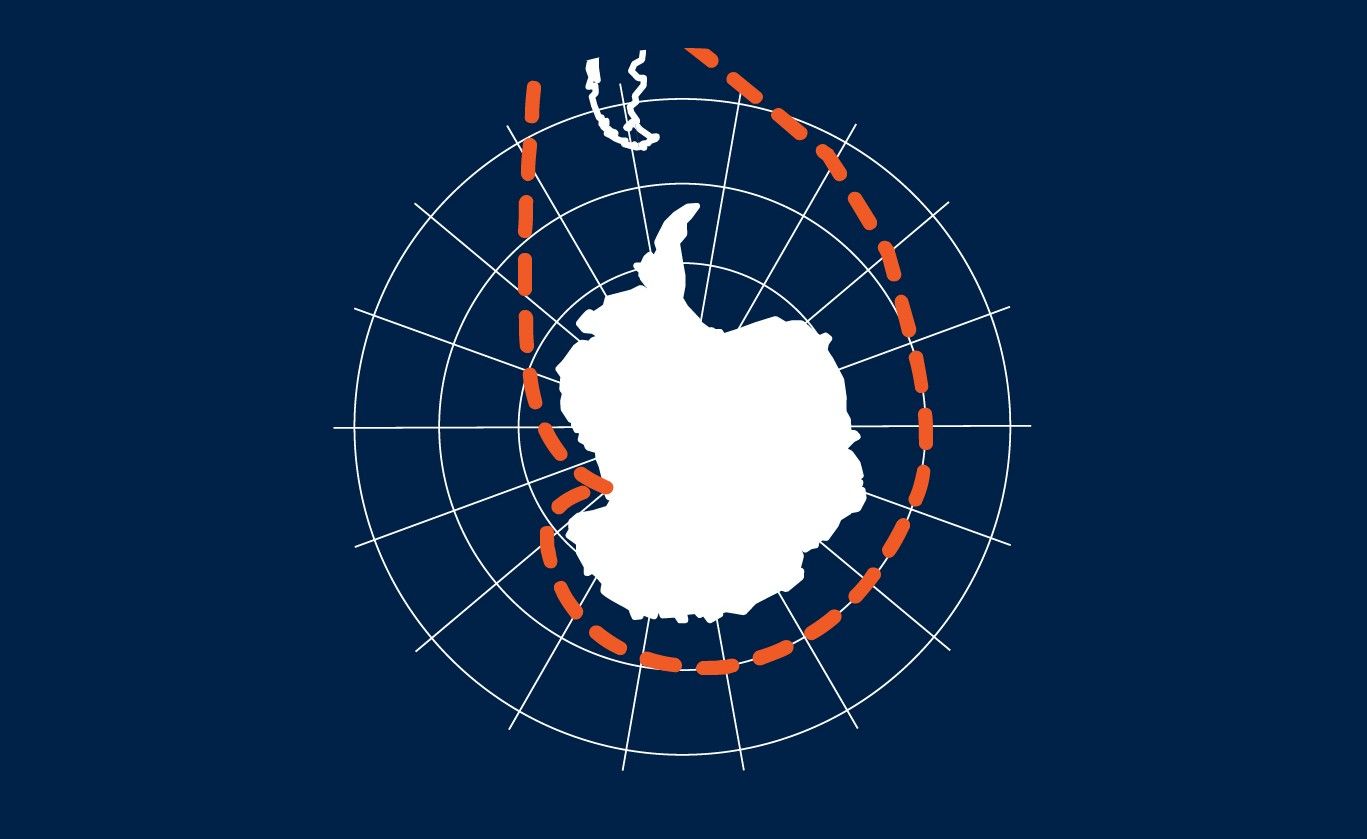
In the coming days, the expedition will face even more demanding conditions. A significant storm with waves of up to 6.5 meters is expected, and the goal is to reach the Antarctic Circle on the 24th. The circumnavigation of Antarctica, with its 12,000 nautical miles, represents the most challenging leg of the entire Vertical Circumnavigation, where every decision could be critical.
Paula Gonzalvo and Pedro Jiménez will continue sailing solo, without external assistance, facing squalls, gales, hurricane-force winds, and waves of up to 10 meters. The expedition will continue to be broadcast live 24/7, allowing the world to witness this feat of navigation, science, and environmental awareness.
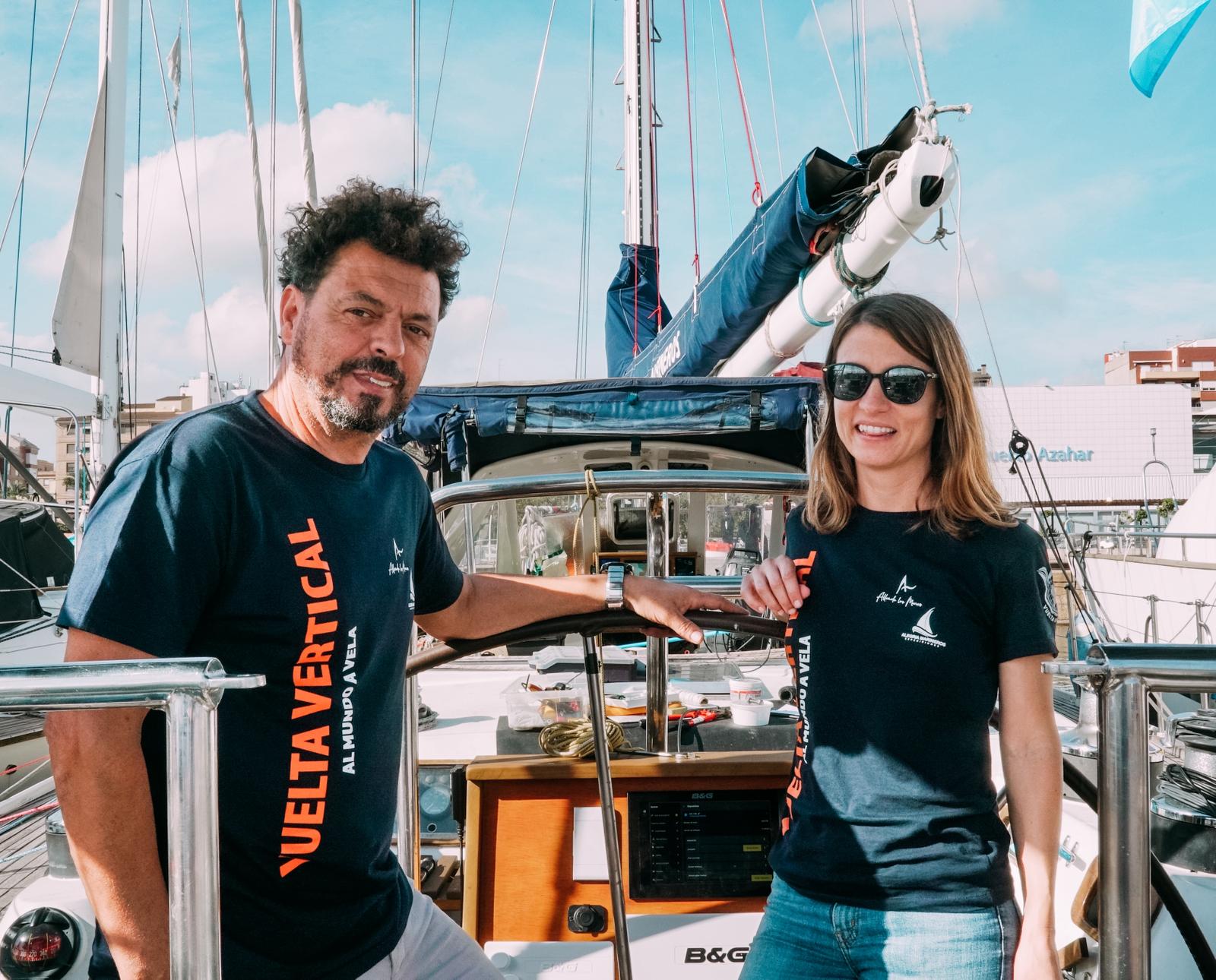
LIVE MONITORING:
- Live YouTube 24/7: vueltavertical.com/virtual
- Web: www.vueltavertical.com
- Time Vertical: 18:00 UT (19:00 España) daily
FOR INTERVIEWS OR MORE INFORMATION:
SARA, ground communications support
comunicacion@vueltavertical.com
Phone: +34 614 379 580
From “Navegantes Oceánicos” all our support goes to Paula and Pedro, and to the Vuelta Vertical team.
Best of luck, fair winds, and following seas!
We’re following you!