

Bluewater Sailors
Reference site on tactics and equipment for sailing
“Bluewater Sailors” (Navegantes Oceánicos) is a web-editorial of contents for those who are passionate about the sea, whether as crew members, sailors, skippers or ship owners, who want to learn more about sailing, such as sailing boats, the best equipment and the tactics and techniques to use them at sea in any situation.
ON-LINE SAILING BOOKS
New published chapters of online books
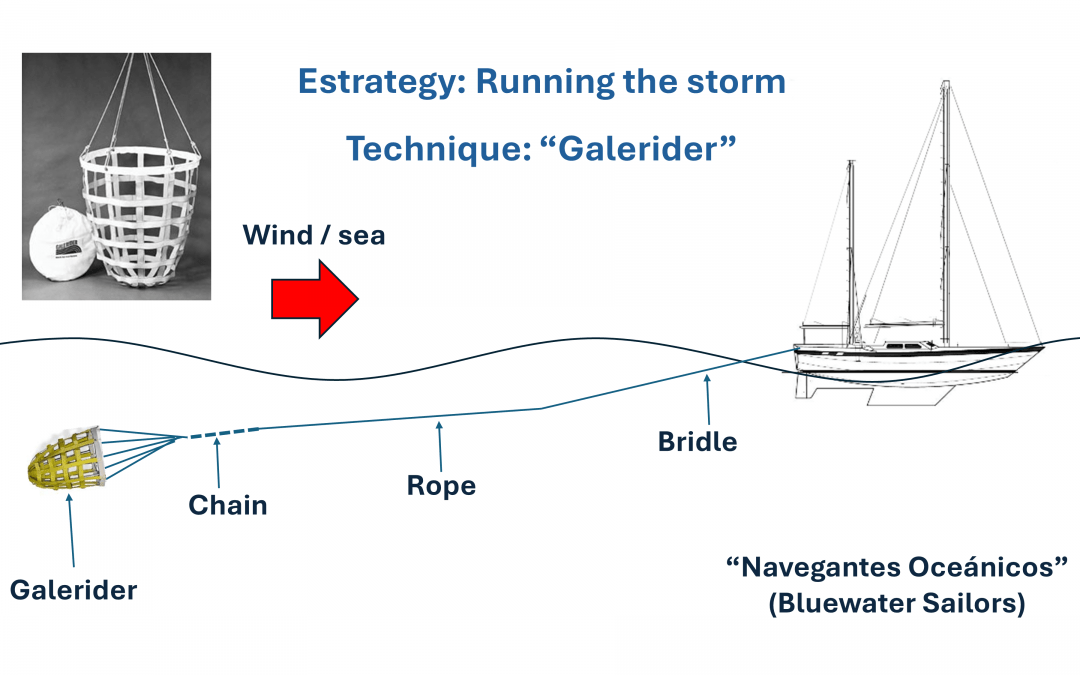
Galerider
The “Galerider” towing device has been used on numerous occasions by deploying it from the stern during a storm, reducing the sailboat’s speed, minimizing surfing, and improving its handling with an autopilot. In this chapter, we will describe this drogue device and consider some aspects of its use on a sailboat.
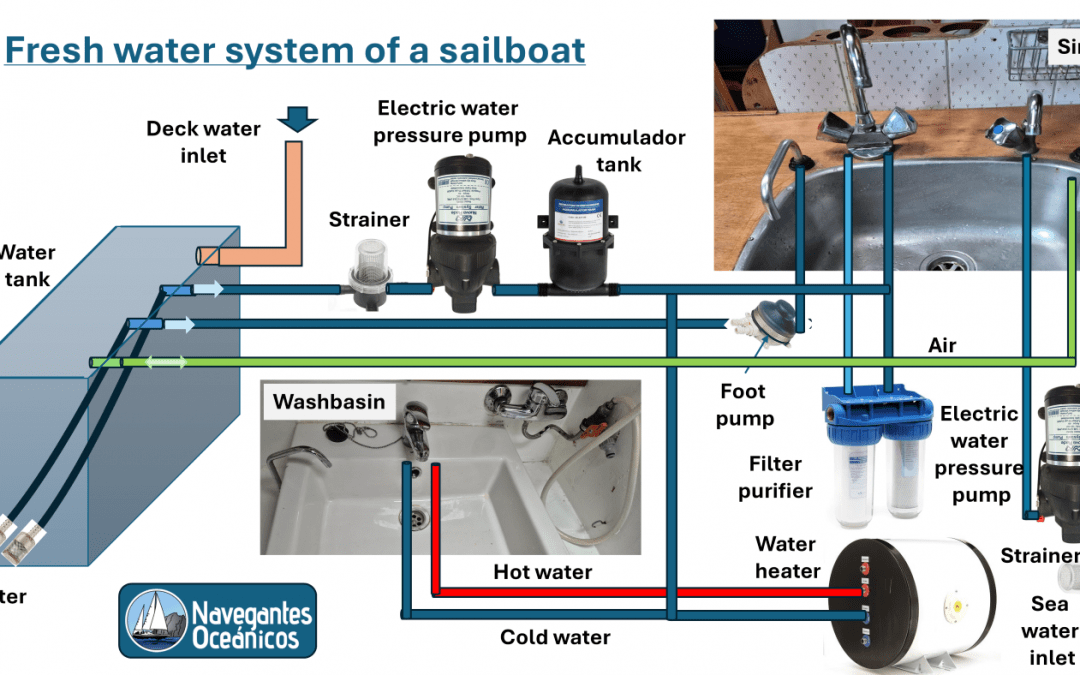
Fresh water system of a sailboat
Key aspects of the freshwater system of a sailboat: freshwater tanks, freshwater circuit with an electric pressure pump, hot water on board, drinking water, freshwater circuit with hand/foot pump, tank ventilation, and seawater circuit (in sink).
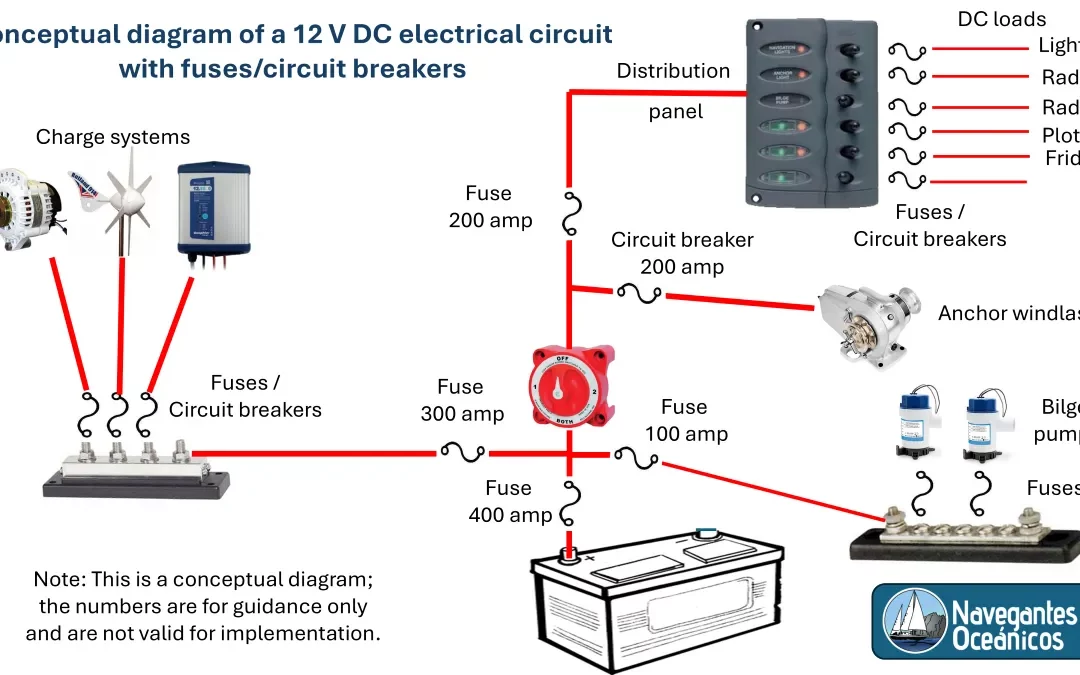
Protection of the electrical (DC) circuit of a sailboat
Considerations on the protection of a DC electrical circuit, properties of fuses and circuit breakers, most commonly used types on sailboats, procedure for choosing a fuse/circuit breaker and considerations on onboard installation.

Crossing the Atlantic under sail. Routes from the Canary Islands to the Caribbean
Considerations on crossing the Atlantic under sail from the Canary Islands to the Caribbean: the Canary Islands (starting point), the most suitable time of year, the weather during the crossing, the choice of the route to follow, a stop in the Cape Verde Islands, and final considerations.
Featured chapters of our online books

Safety briefing on a sailing yacht
Aspects to be covered in the safety briefing that it is advisable to carry out on board a sailing yacht before starting a voyage, especially in the case of ocean sailing.
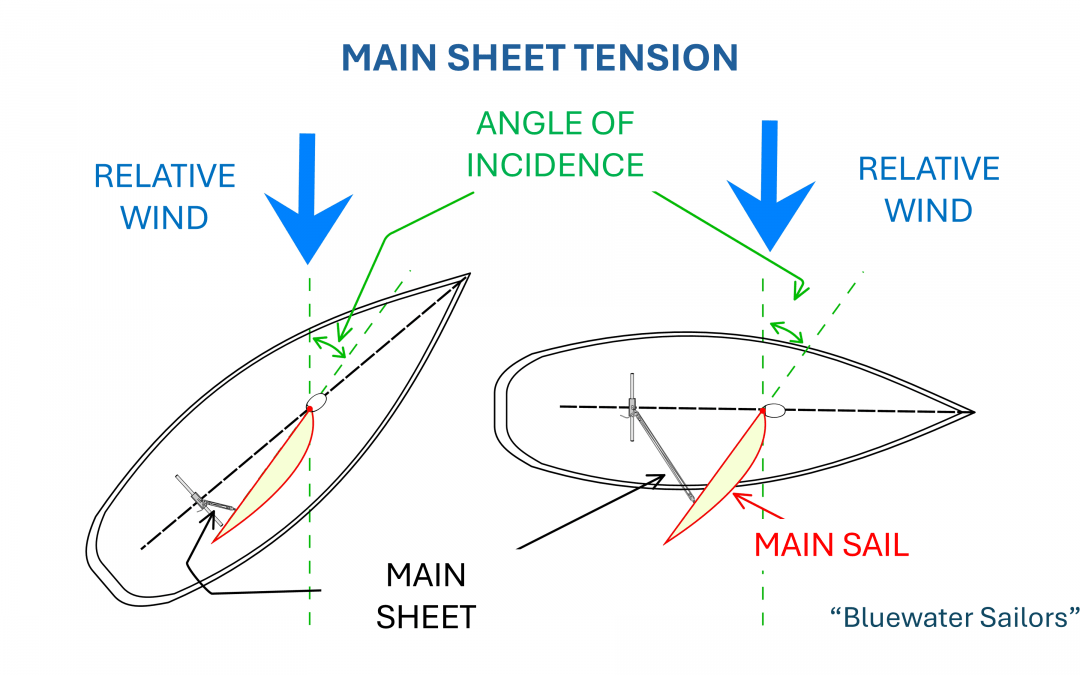
The main sail (I): Control elements.
In this chapter of the online book “Sail Handling” we will describe the control elements of the main sail: backstay tension, Cunningham, halyard, leech line, topping lift, traveler, and boom vang; and their use under various wind conditions.
Premium subscription to «Bluewater sailors (Navegantes Oceánicos)»
25,00€ IVA included
“Bluewater Sailors” is a web-editorial of contents for those who are passionate about the sea, whether as crew members, sailors, skippers or ship owners, who want to know more about sailing, how are the boats, the best equipment and the tactics and techniques to use them at sea in any situation.


Latest news from the Sailing Area
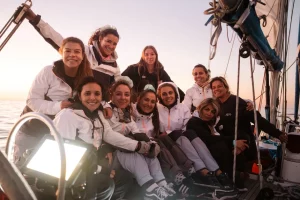
Daisy Denham: “Women of the Sea is a project to inspire other girls that they too can sail.”
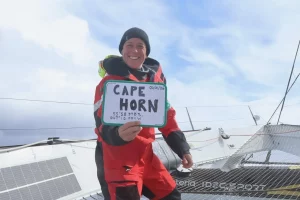
Támara Echegoyen: “From the beginning there was a special connection with the sea”
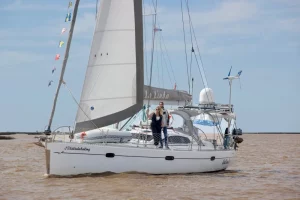
La Linda Sailing: the dream of two men from Córdoba who left the mountains for the seas of the world
Sailing Area featured articles
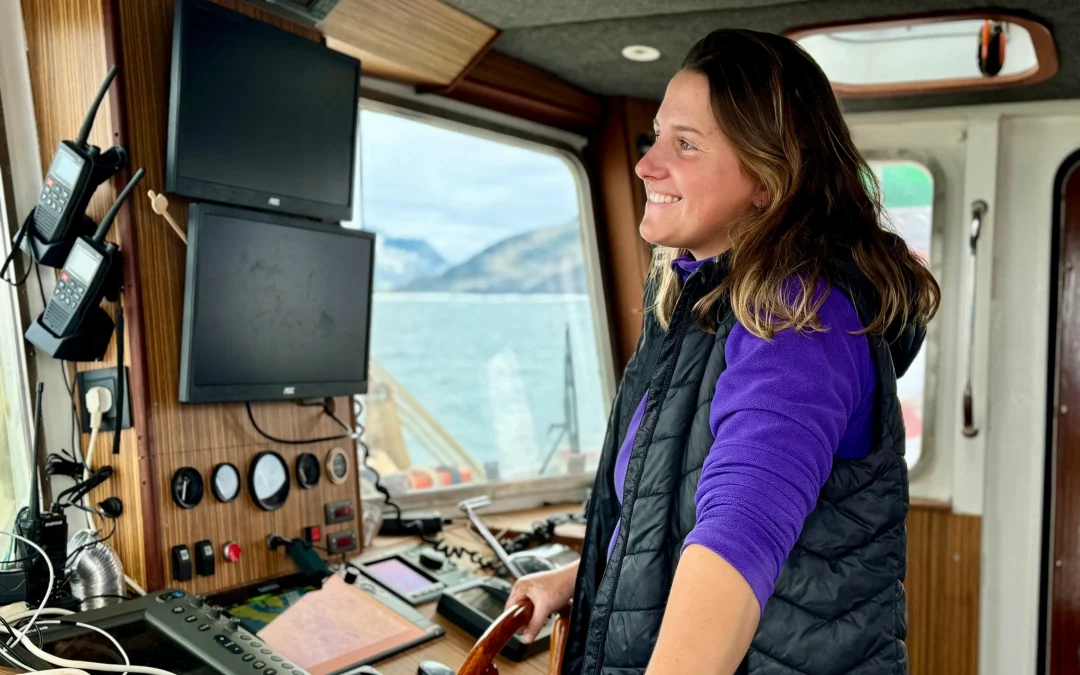
Rochi Costa: journeys through the most remote places from the Arctic to Antarctica
Over the past three years, Rochi Costa has sailed more than 40,000 nautical miles: first as a cook, then as second mate, then as first mate, until she finally captained her own boat. From regattas on the Río de la Plata to icebergs at the North Pole, she embarked on a nonstop voyage across the world’s most challenging—and icy—seas. She tells us all about it in this fascinating interview.
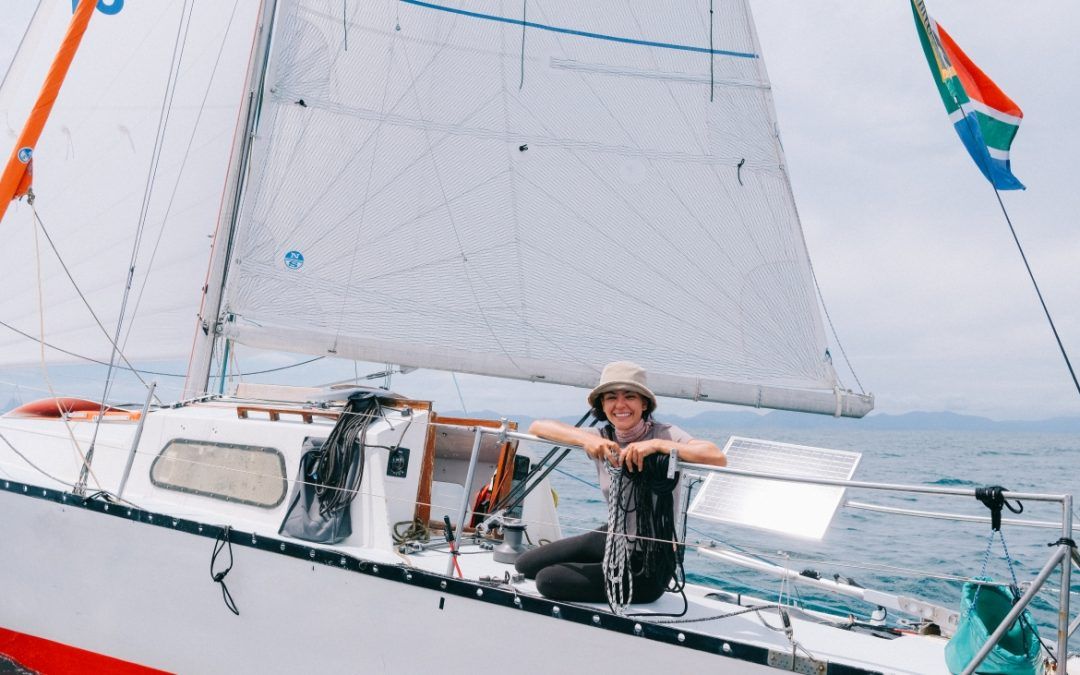
Theodora Prado made history in the traditional Cape2RioRace regatta.
Theodora Prado was the first woman to complete this traditional race solo, starting in Cape Town, Africa, and finishing in Rio de Janeiro, Brazil. The iconic Cape to Rio Yacht Race—also known as the South Atlantic Yacht Race—covers between 3,400 and 4,500 nautical miles and began almost fifty years ago to encourage South African sailors to attempt ocean crossings.
Sail the Way 2026, interview with Federico Fernández-Trapa Fontán
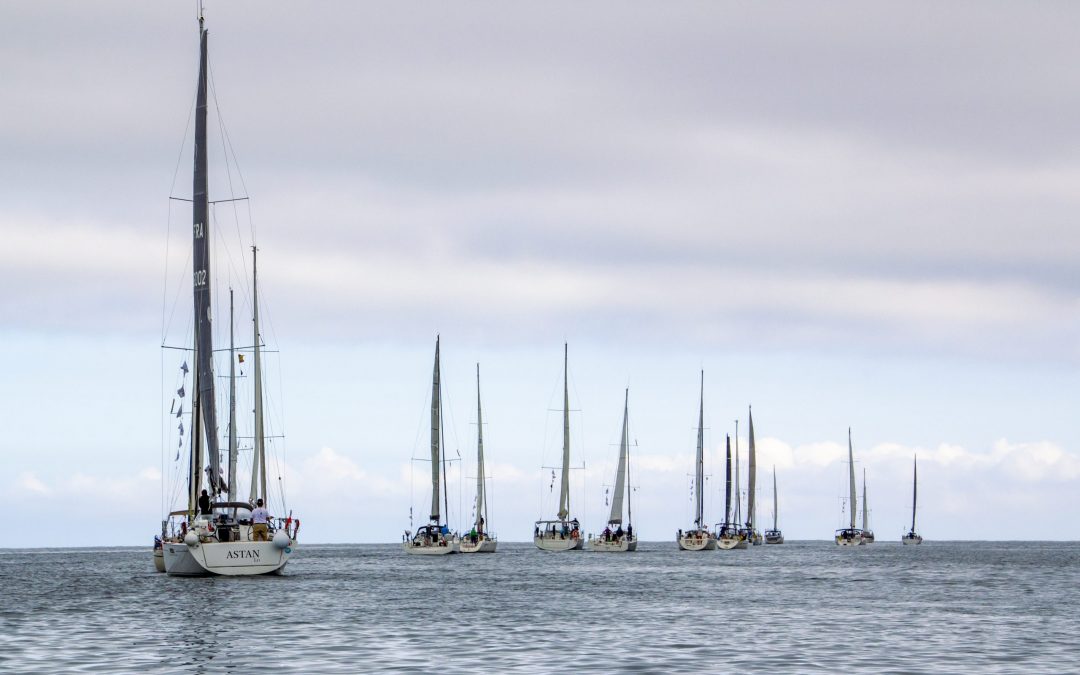
In June 2026, the eleventh edition of “El Camino a Vela” (Sail the Way) will take place, where a group of 20 sailboats will travel in several stages from France (La Rochelle), along the entire northern coast of Spain, from Hondarribia to Padrón, before finishing on foot in Santiago de Compostela. With the invaluable help of Federico Fernández-Trapa Fontán, we will learn what this edition of “El Camino a Vela” entails and how it is planned to unfold.